Moringa oleifera is a fast-growing, drought-resistant tree native to the sub-Himalayan regions of India, Pakistan, Bangladesh, and Afghanistan, now cultivated widely across the tropics and subtropics. It belongs to the monogeneric family Moringaceae and is often referred to as the drumstick tree, horseradish tree, or ben oil tree. The leaves are the most commonly utilized part for human consumption, typically harvested, shade-dried, and milled into a fine powder that retains much of the plant’s nutritional value.
The leaf powder has gained attention as a nutrient-dense food ingredient rather than a single-compound supplement. Its composition reflects the plant’s adaptation to harsh environments, resulting in a concentrated matrix of vitamins, minerals, amino acids, and secondary metabolites. Understanding this phytochemical landscape is essential for evaluating its role in dietary applications and distinguishing leaf preparations from other plant parts with different safety profiles.
Key Takeaways
- Moringa oleifera leaf powder is a whole-food ingredient with a broad nutrient profile including complete protein, vitamins A/C/E, calcium, potassium, and iron.
- Key phytochemical classes are flavonoid glycosides (quercetin, kaempferol), phenolic acids (chlorogenic acid), and the unique glucosinolate glucomoringin.
- Proposed mechanisms center on antioxidant and Nrf2-mediated detoxification pathways from polyphenols and isothiocyanates, not a single drug-like compound.
- Root and bark contain distinct alkaloids with uterine-stimulant activity; only leaf preparations are used as food.
- Composition varies significantly with cultivar, growing conditions, and processing; batch-specific analysis is needed for consistency.
Botanical Classification and Morphology
Moringa oleifera Lam. is the most widely cultivated species of the genus Moringa, which comprises 13 species distributed across Africa, the Arabian Peninsula, and South Asia. It is a deciduous tree reaching 10–12 meters in height with a spreading open crown, tripinnate leaves, and fragrant bisexual flowers. The fruit is a long, pendulous, three-sided capsule (pod) containing dark brown, globular seeds with three papery wings. The tree thrives in semiarid, tropical, and subtropical regions, tolerating a wide range of soil types but preferring well-drained sandy or loamy soils with a neutral to slightly acidic pH.
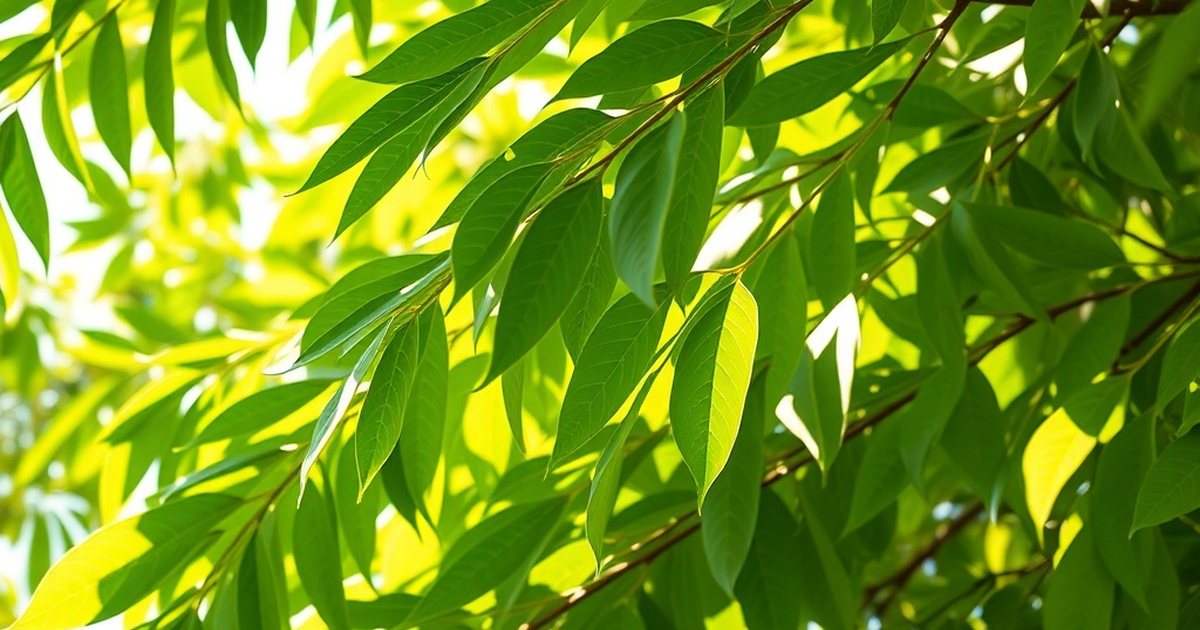
The leaves are alternate, tripinnate, and 30–60 cm long, with numerous small, elliptical leaflets 1–2 cm in length. This high leaf surface area relative to biomass contributes to the plant’s rapid growth rate and its capacity for intensive leaf production under cultivation. In managed plantations, the tree is often coppiced or pollarded at 1–1.5 meters to facilitate hand harvesting of leaves every 30–45 days during the growing season, yielding a continuous supply of fresh foliage for drying and processing.
Macronutrient and Micronutrient Profile
Dried moringa leaf powder is notable for its density of essential nutrients relative to its weight. The leaves contain approximately 25–30% protein by dry weight, with a profile that includes all nine essential amino acids, making it a rare plant source of complete protein. Carbohydrates constitute roughly 35–45%, primarily as dietary fiber, while fat content is low at 5–7%, with a favorable ratio of unsaturated fatty acids including alpha-linolenic acid (an omega-3 fatty acid).

The mineral content is particularly high in calcium, potassium, magnesium, and iron. Calcium levels in dried leaf powder can exceed those in many dairy products on a per-gram basis, though bioavailability is influenced by the presence of oxalates. Potassium concentrations are also substantial, supporting electrolyte balance. The leaves are a rich source of vitamin A (as beta-carotene), vitamin C, and vitamin E (tocopherols), along with B-complex vitamins including folate, pyridoxine (B6), and riboflavin (B2). These values vary significantly with cultivar, growing conditions, harvest maturity, and post-harvest handling.
Major Polyphenol Classes: Flavonoids and Phenolic Acids
The phytochemical signature of moringa leaves is dominated by flavonoid glycosides, particularly quercetin and kaempferol derivatives. Quercetin-3-O-glucoside and quercetin-3-O-rutinoside (rutin) are consistently identified as major flavonoids, alongside kaempferol-3-O-glucoside and kaempferol-3-O-rutinoside. These compounds contribute to the antioxidant capacity of the leaf powder through hydrogen donation and metal chelation mechanisms.
Phenolic acids are represented primarily by chlorogenic acid (5-O-caffeoylquinic acid), which is often the most abundant single phenolic compound in the leaves. Other hydroxycinnamic acid derivatives include caffeic acid, ferulic acid, and p-coumaric acid, typically present as esters or glycosides. The combined flavonoid and phenolic acid profile underpins the proposed antioxidant and mild anti-inflammatory activity attributed to the leaf powder, acting through redox modulation and inhibition of pro-inflammatory signaling pathways rather than a single drug-like mechanism.
Glucosinolates and Isothiocyanates
A distinctive feature of Moringaceae is the presence of glucosinolates, sulfur-containing compounds more commonly associated with Brassicaceae (mustard family). The predominant glucosinolate in moringa leaves is 4-(alpha-L-rhamnosyloxy)benzyl glucosinolate, also known as glucomoringin[1]. Its share of total glucosinolates differs measurably between wild and domesticated moringa, which is part of why leaf taste varies between sources[2]. Upon tissue disruption, the enzyme myrosinase hydrolyzes glucomoringin to form moringin (4-(alpha-L-rhamnosyloxy)benzyl isothiocyanate), a bioactive isothiocyanate.
Moringin and related isothiocyanates have been studied for their role in inducing phase II detoxification enzymes via the Nrf2 pathway, contributing to the plant’s chemoprotective potential. The glucosinolate content is highly sensitive to processing; heat treatment during drying can inactivate myrosinase, reducing isothiocyanate formation unless gut microbiota mediate conversion. This distinguishes moringa from many other leafy vegetables and adds a unique dimension to its phytochemical profile.

Other Bioactive Constituents
Beyond the major classes, moringa leaves contain a range of minor but potentially significant compounds. These include carotenoids such as lutein and zeaxanthin, which accumulate in the chloroplasts and contribute to the deep green color of the powder. Chlorophyll levels remain high in properly shade-dried material but degrade with excessive heat or sunlight exposure.
The leaves also contain phytosterols (notably beta-sitosterol), tocopherols, and trace alkaloids. Unlike the root and bark, which contain spirochin and other alkaloids with documented uterine-stimulant effects, the leaf preparations used as food are generally free of these compounds at levels of concern. Saponins and tannins are present in moderate amounts, contributing to astringency and potentially modulating nutrient absorption. The overall composition reflects a complex food matrix rather than a single active ingredient.
Variability and Standardization Considerations
Phytochemical content in moringa leaf powder exhibits considerable variability. Factors include genetic cultivar, geographic origin, soil mineral content, seasonal rainfall, harvest time (morning vs. afternoon, young vs. mature leaves), and post-harvest processing (shade drying vs. oven drying, particle size). For example, total phenolic content can vary two- to three-fold between samples from different regions or harvests.
This variability poses challenges for standardization if the powder is used as a consistent ingredient in formulated products. Unlike botanical extracts standardized to a single marker compound, whole leaf powder represents a variable food matrix. Quality specifications typically focus on microbial safety, heavy metal limits, moisture content, and broad nutrient ranges rather than specific phytochemical markers. Consumers and formulators should request certificates of analysis that reflect the actual batch composition.

🛒 Where to Buy Moringa (Moringa oleifera)
- CleanseParasites Intra-Cellular Superfood Editor’s Pick
Contains moringa leaf alongside sea moss, bladderwrack, black cumin seed, and other superfood ingredients. - Kuli Kuli Organic Moringa Powder
powder, 1 tsp (3g) — USDA organic, direct-sourced from smallholder farmers across Africa and India - Nature’s Way Moringa Leaf Capsules
capsules, 2 capsules (960mg) — Widely available mainstream supplement brand, whole-leaf capsules - Micro Ingredients Organic Moringa Leaf Powder
powder, 1 tsp (5g) — Budget-friendly bulk organic powder, third-party tested - Zint Moringa Leaf Powder
powder, 1 tbsp (7g) — Sourced from India, popular smoothie-add powder
As an Amazon Associate we earn from qualifying purchases. Quality varies widely — always choose a product with a published third-party test (COA) before buying.
A Note on the Evidence
Moringa leaf powder is generally well-tolerated as a food, but human clinical data on long-term use of concentrated doses are limited. The phytochemistry described above is well characterised in the published literature — a systematic review catalogues 163 constituents across the plant, including the flavonoids, phenols and glucosinolates discussed here[3] — and the glucosinolate chemistry in particular has been reviewed in its own right[1][2]. Pregnant individuals should avoid root, bark, and concentrated extracts due to uterine-stimulant compounds. Individuals on medication or with underlying conditions should consult a healthcare provider before adding high-dose botanical products to their regimen.
Frequently Asked Questions
What are the main phytochemicals in moringa leaves?
The primary phytochemicals are flavonoid glycosides (quercetin and kaempferol derivatives), phenolic acids (especially chlorogenic acid), and the glucosinolate glucomoringin, which yields the isothiocyanate moringin upon hydrolysis.
How does moringa leaf powder differ from root or bark extracts?
Leaf powder is a nutrient-dense food lacking the alkaloids (e.g., spirochin) found in root and bark that have documented uterine-stimulant effects and a higher risk profile. Pregnant individuals should avoid concentrated root/bark extracts.

Is moringa leaf powder standardized to a specific compound?
No. Whole leaf powder is a variable food matrix; standardization to a single marker is not typical. Quality control focuses on nutrient ranges, microbial safety, and contaminant limits rather than a specific phytochemical level.
Does drying method affect phytochemical content?
Yes. Shade drying preserves heat-sensitive compounds like vitamin C, chlorophyll, and myrosinase activity (needed for glucosinolate conversion), while oven or sun drying can degrade these constituents.
Are the polyphenols in moringa absorbed effectively?
Flavonoid glycosides and chlorogenic acid are absorbed in the small intestine and colon after microbial deglycosylation, but bioavailability varies by individual microbiome, food matrix, and dose. Clinical pharmacokinetic data on moringa-specific preparations are limited.
Can moringa leaf powder replace a multivitamin?
While nutrient-dense, the powder’s vitamin and mineral content varies by batch, and bioavailability of certain minerals (e.g., iron, calcium) may be limited by antinutrients like oxalates and phytates. It should complement, not replace, a varied diet or medically advised supplementation.
References
- Glucosinolates and Isothiocyanates from Moringa oleifera: Chemical and Biological Approaches. Plant Foods Hum Nutr, 2020
- Wild and domesticated Moringa oleifera differ in taste, glucosinolate composition, and antioxidant potential, but not myrosinase activity or protein content. Sci Rep, 2018
- Moringa oleifera: a systematic review of its botany, traditional uses, phytochemistry, pharmacology and toxicity. J Pharm Pharmacol, 2022
These statements have not been evaluated by the Food and Drug Administration. This information is not intended to diagnose, treat, cure, or prevent any disease. Content is for informational purposes only and is not medical advice; consult a qualified healthcare provider before starting any supplement. As an Amazon Associate we earn from qualifying purchases.
