Moringa oleifera leaf powder is a nutrient-dense food product made from dried leaves of a fast-growing tropical tree. It provides vitamins A and C, calcium, potassium, and plant compounds such as quercetin and chlorogenic acid, with proposed mechanisms centered on antioxidant and mild anti-inflammatory activity from these polyphenols rather than a single drug-like compound. The FDA has not evaluated moringa leaf powder for safety or efficacy as a supplement, and food-grade leaf preparations are generally well-tolerated in typical dietary amounts.
Human dosage data remain limited, with most clinical trials testing specific doses for defined outcomes rather than establishing a universal recommended intake. This article reviews the available human evidence on moringa leaf powder dosing for nutritional support, glycemic control, lipid management, exercise performance, and important safety considerations including drug interactions.
Key Takeaways
- Cited human studies used moringa leaf powder at 2400 mg/day for 12 weeks in prediabetes, where fasting glucose and HbA1c decreased compared with placebo [3], 20 g in a single meal for the acute glucose response [4], and 1.85 g/day in a drug interaction study [2]. No single optimal dose has been established.
- A single 20 g dose with a meal lowered the postprandial glucose response in diabetic participants in a refugee camp study but not in healthy participants, and long-term safety at this level is unknown.
- Moringa leaves may be an important source of vitamin A for young children, based on a small tracer study [1].
- Moringa inhibits some drug-metabolizing enzymes in vitro, although a small study found no significant change in nevirapine levels; anyone on medication should consult a clinician before supplementing [2].
- Root and bark extracts carry distinct risks (alkaloids, uterine stimulation) and should be avoided, especially in pregnancy; food-grade leaf powder is generally well-tolerated.
General Nutritional Use and Vitamin A Status
A study in young Mexican children evaluated the vitamin A equivalence of moringa oleifera leaves using a compartmental model to estimate total body stores. The research demonstrated that moringa leaves can contribute meaningfully to vitamin A nutrition, with the leaf preparation showing measurable bioavailability of provitamin A carotenoids [1]. This supports the traditional use of moringa as a food-based strategy for micronutrient adequacy.
In this pediatric nutrition context, the children consumed puréed moringa leaves providing 1 mg of β-carotene rather than a leaf powder supplement. The findings suggest that moringa leaves may be an important source of vitamin A for young children. No upper intake level for vitamin A from plant carotenoids was identified in this work.

Blood Glucose and Prediabetes Support
A 2021 randomized trial investigated moringa oleifera leaf supplementation as a glycemic control strategy in adults with prediabetes. Participants received moringa leaf powder at a dose of 2400 mg per day (six capsules) for 12 weeks. The study reported improvements in fasting blood glucose and HbA1c compared to placebo, suggesting a modest beneficial effect on glycemic markers at this dosage [3].
An earlier in vivo study among Saharawi people living in refugee camps examined the acute effect of moringa oleifera leaf powder on postprandial blood glucose response. In the diabetic participants, a single dose of 20 grams of leaf powder added to a meal lowered the postprandial glucose response compared with the same meal without moringa, while healthy participants showed no differences [4]. This higher acute dose (20 g) differs from the chronic lower dose (2400 mg/day) used in the prediabetes trial.
A 2020 systematic review of animal and human studies found encouraging results for glucose control, especially from postprandial studies, although human clinical trials are scarce and variable in design. The review called for more human studies with more stringent inclusion criteria and enough diabetic or prediabetic participants [5].
Lipid Profile and Cardiometabolic Markers
A 2017 study in diet-induced hypercholesterolemic rats found that moringa oleifera leaf powder and its extract exerted hypolipidemic effects, reducing total cholesterol, LDL, and triglycerides while increasing HDL [6]. The effective doses in this animal model were 150 and 300 mg/kg body weight of leaf powder, which cannot be directly translated to human equivalent doses without further research.

Human data on lipid outcomes are sparse and inconsistent. While some small studies report favorable changes in lipid profiles with moringa leaf powder supplementation, the evidence base is insufficient to recommend a specific dose for lipid management in humans, and the 2020 systematic review of glucose control likewise found human clinical trials scarce and variable in design [5].
Exercise Performance and Nitric Oxide Production
A randomized, single-dose, parallel-group study in healthy adults evaluated a natural sports supplement containing moringa oleifera leaf powder for its effect on serum and salivary nitric oxide. The study found that acute supplementation increased nitric oxide levels, a marker associated with vasodilation and exercise performance [7]. The moringa-containing supplement was administered as a single dose prior to testing, though the exact moringa leaf powder quantity within the multi-ingredient formulation was not isolated in the reported findings.
Drug Interactions and Pharmacokinetic Considerations
A one-sequence crossover study in HIV-infected adults examined the effect of moringa oleifera leaf powder on the pharmacokinetics of nevirapine, an antiretroviral medication. Co-administration of moringa leaf powder (1.85 g per day for 14 days) did not significantly change nevirapine exposure in 11 participants, although in vitro work suggests moringa may affect drug-metabolizing enzymes [2]. This highlights the potential for moringa to interact with medications metabolized by CYP450 pathways.
Root and bark preparations of moringa contain distinct compounds, including vermifuge alkaloids, with a higher risk profile than leaf powder. Traditional medicine documents uterine-stimulant use of root and bark extracts, and pregnant individuals should avoid concentrated extracts and root/bark preparations. Food-grade leaf powder has not been associated with these risks at typical dietary intakes.

Practical Dosing Summary from Available Human Evidence
Across the cited human studies, moringa oleifera leaf powder doses ranged from 1.85 grams per day to 20 grams in a single meal [2][4]. For chronic glycemic support in prediabetes, 2400 mg per day (six capsules) showed benefit over 12 weeks [3]. For acute postprandial glucose attenuation, 20 grams with a meal was effective [4]. A tracer study of fifteen well-nourished young children used puréed moringa leaves providing 1 mg of β-carotene [1]. No long-term safety data exist for doses above 20 grams daily.
Given the variability in study designs, populations, and outcomes, there is no single established optimal dose. Individuals considering moringa leaf powder for a specific health goal should start with lower amounts (e.g., 1–2 grams daily with food), monitor tolerance, and consult a healthcare provider — especially if taking medications, given the in vitro evidence of interaction potential [2]. Product quality, leaf maturity, and processing methods also influence polyphenol and nutrient content, making standardization difficult.
🛒 Where to Buy Moringa (Moringa oleifera)
- CleanseParasites Intra-Cellular Superfood Editor’s Pick
Contains moringa leaf alongside sea moss, bladderwrack, black cumin seed, and other superfood ingredients. - Kuli Kuli Organic Moringa Powder
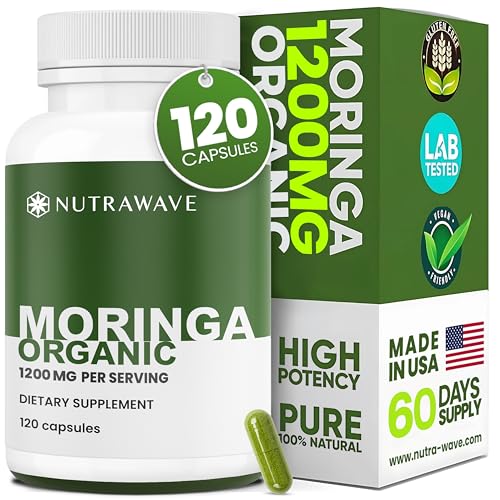
powder, 1 tsp (3g) — USDA organic, direct-sourced from smallholder farmers across Africa and India - Nature’s Way Moringa Leaf Capsules
capsules, 2 capsules (960mg) — Widely available mainstream supplement brand, whole-leaf capsules - Micro Ingredients Organic Moringa Leaf Powder
powder, 1 tsp (5g) — Budget-friendly bulk organic powder, third-party tested - Zint Moringa Leaf Powder
powder, 1 tbsp (7g) — Sourced from India, popular smoothie-add powder
As an Amazon Associate we earn from qualifying purchases. Quality varies widely — always choose a product with a published third-party test (COA) before buying.

A Note on the Evidence
Human dosage evidence for moringa oleifera leaf powder is limited to small, short-term studies with varied designs; no universal optimal dose has been established. Root and bark preparations pose higher risks and should be avoided, especially in pregnancy. Moringa may interact with medications metabolized by CYP450 enzymes. Consult a healthcare professional before using moringa supplements for any health condition.
Frequently Asked Questions
What is the typical moringa leaf powder dose used in human studies for blood sugar support?
In a 12-week trial in adults with prediabetes, 2400 mg per day in six capsules improved fasting glucose and HbA1c [3]. An acute study used 20 grams with a meal to blunt postprandial glucose [4].
Can moringa leaf powder help with cholesterol based on human evidence?
Human data on lipid effects are limited and inconsistent. A rat study tested 200 and 400 mg/kg of leaf extract and found lipid-lowering effects at 400 mg/kg [6], but human evidence on lipids is too limited to recommend a dose for lipid management, and the 2020 systematic review of glucose control likewise found human trials scarce [5].
Does moringa interact with medications?
Possibly. In vitro work shows moringa can inhibit some drug-metabolizing enzymes, although a crossover study in HIV-positive adults found that moringa leaf powder did not significantly alter nevirapine pharmacokinetics [2]. Consult a healthcare provider before combining moringa with any medication.
Is moringa leaf powder safe during pregnancy?
Food-grade leaf powder in dietary amounts is generally well-tolerated, but concentrated extracts and root/bark preparations have documented uterine-stimulant effects in traditional medicine and should be avoided during pregnancy. Safety of high-dose leaf powder supplements in pregnancy has not been established.
How much moringa leaf powder provides meaningful vitamin A activity?
A study in Mexican children found that β-carotene in moringa leaves is converted to vitamin A and that moringa leaves may be an important source of vitamin A in a small tracer study of young children [1]. The vitamin A equivalence depends on leaf maturity, processing, and preparation method.
Can moringa improve exercise performance via nitric oxide?
A single-dose study in healthy adults found that a multi-ingredient sports supplement containing moringa increased serum and salivary nitric oxide [7]. The specific contribution of moringa alone and the optimal dose for this effect were not isolated in the study.
References
- Lopez-Teros V et al. Use of a "Super-child" Approach to Assess the Vitamin A Equivalence of Moringa oleifera Leaves, Develop a Compartmental Model for Vitamin A Kinetics, and Estimate Vitamin A Total Body Stores in Young Mexican Children. The Journal of nutrition (2017). PMID 28931584
- Monera-Penduka TG et al. Effect of Moringa oleifera Lam. leaf powder on the pharmacokinetics of nevirapine in HIV-infected adults: a one sequence cross-over study. AIDS research and therapy (2017). PMID 28293270
- Gómez-Martínez S et al. Moringa oleifera Leaf Supplementation as a Glycemic Control Strategy in Subjects with Prediabetes. Nutrients (2021). PMID 35010932
- Leone A et al. Effect of Moringa oleifera Leaf Powder on Postprandial Blood Glucose Response: In Vivo Study on Saharawi People Living in Refugee Camps. Nutrients (2018). PMID 30322091
- Nova E et al. Potential of Moringa oleifera to Improve Glucose Control for the Prevention of Diabetes and Related Metabolic Alterations: A Systematic Review of Animal and Human Studies. Nutrients (2020). PMID 32664295
- Helmy SA et al. Hypolipidemic Effect of Moringa oleifera Lam Leaf Powder and its Extract in Diet-Induced Hypercholesterolemic Rats. Journal of medicinal food (2017). PMID 28459609
- Jacob J et al. A Randomized Single Dose Parallel Study on Enhancement of Nitric Oxide in Serum and Saliva with the Use of Natural Sports Supplement in Healthy Adults. Journal of dietary supplements (2018). PMID 28641022
These statements have not been evaluated by the Food and Drug Administration. This information is not intended to diagnose, treat, cure, or prevent any disease. Content is for informational purposes only and is not medical advice; consult a qualified healthcare provider before starting any supplement. As an Amazon Associate we earn from qualifying purchases.
