Moringa oleifera, the “drumstick tree” leaf powder sold widely as a green superfood supplement, has picked up a reputation as a weight-loss aid online. Some of that interest traces back to real biology: moringa leaves are dense in polyphenols like quercetin and chlorogenic acid, plus isothiocyanates, compounds that have shown metabolic effects in laboratory and animal studies.
But most of the strongest weight-related findings come from rodent studies using concentrated extracts at doses far beyond what a spoonful of leaf powder provides, not from large human trials. This article separates what’s been shown in animals, what’s been shown in humans, and what’s still speculative, so you can judge the hype for yourself. This is informational only, not medical advice.
Key Takeaways
- Animal studies show moringa leaf extracts affecting appetite-related receptors, fat-metabolism genes, glucose handling, and gut microbiota, plausible mechanisms, but demonstrated mostly in rodents on concentrated extracts [1][2][3]
- Human evidence is real but limited: a systematic review/meta-analysis exists specifically on body weight and blood pressure, and it reflects a small, heterogeneous trial base rather than a settled conclusion [4]
- One human RCT tested moringa in people with HIV on antiretroviral therapy, a population-specific finding that shouldn’t be generalized to general weight-loss use [5]
- The gut microbiome is a recurring proposed mechanism across multiple studies, but this connection is still preclinical for humans [6][7]
- Moringa is not a proven weight-loss supplement; it’s a nutrient-dense food with early-stage, biologically plausible metabolic research behind it
What the Animal Studies Actually Show
The most detailed weight-related data on moringa comes from rodent models of diet-induced obesity and metabolic syndrome. In Sprague Dawley rats fed a high-fructose, high-fat diet for 60 days, moringa leaf extract supplementation reversed several markers of metabolic syndrome, including improvements in weight-related and lipid parameters [8]. A separate high-fat diet rat model found that moringa leaf extract’s anti-obesity effect was linked to upregulation of MC4R (a receptor involved in appetite and energy regulation) and PPAR-alpha (a nuclear receptor involved in fat metabolism), suggesting the plant may act on genuine energy-regulation pathways rather than simply reducing food intake [1].

A mechanistically distinct line of research used an isothiocyanate-rich moringa extract (isothiocyanates are sulfur compounds concentrated during specific extraction processes, not necessarily present at the same levels in standard leaf powder) in mice, and found reduced weight gain, improved insulin resistance, and reduced hepatic gluconeogenesis (the liver’s production of new glucose) [2]. Together these studies point to plausible mechanisms, appetite-signaling, fat-metabolism genes, and glucose-handling pathways, but they were conducted in animals on extracts, not in people eating leaf powder from a jar.
Gut Microbiota: A Recurring but Preliminary Theme
Several studies point to the gut microbiome as a mediator of moringa’s metabolic effects. In mice, an aqueous moringa leaf extract altered gut microbiota composition in a way that correlated with improved metabolic adaptation to a supplemented diet [3]. Separately, moringa oleifera polysaccharides (a different fraction of the plant than the polyphenol-rich extracts used in other studies) modulated caecal microbiota and small intestinal metabolic profiles in mice [6].
This fits a broader pattern seen with herbal medicines generally: a systematic review of herbal treatments in overweight and obese individuals found consistent shifts in gut microbiota composition associated with several plant-based interventions, moringa among them in the broader literature it surveyed [7]. The idea that moringa’s leaf compounds shift bacterial populations in ways that affect energy harvest or inflammation is a coherent hypothesis, but it remains rooted mostly in animal and preclinical work rather than controlled human feeding trials.

What Human Trials Have Actually Found
Human data on moringa and weight is thinner and more mixed than the animal literature. A recent systematic review and meta-analysis of randomized controlled trials examined moringa oleifera’s effect on body weight and blood pressure specifically, pooling the available human trial data to assess whether the animal findings translate to people [4]. This kind of aggregation is the right way to evaluate the question, but the review itself signals how limited and heterogeneous the human evidence base still is, small trials, varying doses and preparations, and short durations are common limitations in this field.
One clinical trial looked at a different population entirely: a double-blind randomized controlled trial in people living with HIV on antiretroviral therapy tested whether moringa leaf supplementation affected body weight and bone mass index [5]. That trial is notable because it’s a genuine human RCT, but its population (people managing HIV and ART-related metabolic effects) doesn’t necessarily generalize to someone taking moringa purely for general weight management.
A broader narrative review synthesizing both in vivo and clinical studies on moringa’s potential role in metabolic syndrome concluded that the plant shows promise across several metabolic markers, but explicitly frames this as an emerging area rather than an established treatment [9].

The Antioxidant Mechanism, and Why It's Not the Whole Story
Much of moringa’s proposed benefit is attributed to its antioxidant polyphenol content, quercetin, chlorogenic acid, and related compounds that combat oxidative stress. A broader review of natural bioactive compounds that promote health by ameliorating oxidative stress situates moringa’s polyphenols within this larger category of plant antioxidants with metabolic relevance [10].
Oxidative stress and chronic low-grade inflammation are linked to insulin resistance and fat storage, so an antioxidant mechanism is biologically plausible as a contributor to metabolic benefits. But antioxidant activity alone doesn’t explain the more specific findings around appetite receptors (MC4R), fat-metabolism genes (PPAR-alpha), or gut microbiota shifts described above, moringa’s effects, if real in humans at food-grade doses, likely involve multiple overlapping pathways rather than one single mechanism.
An Unrelated Data Point Worth Noting
Not all moringa research on “body weight” is about human metabolism. One study examined moringa oleifera leaf powder’s influence on body weight and gene expression (MYF5, involved in muscle development, and IGF-1, a growth hormone mediator) in Japanese quails, an agricultural feed-additive study [11]. It’s a useful reminder that moringa research spans everything from livestock nutrition to human clinical trials, and headlines conflating any positive moringa finding with human weight-loss evidence should be read carefully to check what species and context the study actually used.
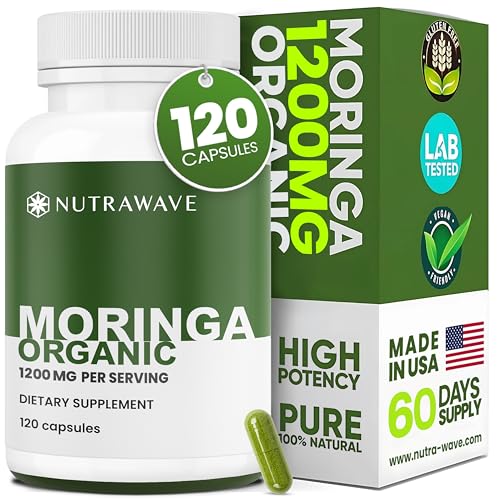
🛒 Where to Buy Moringa (Moringa oleifera)

- CleanseParasites Intra-Cellular Superfood Editor’s Pick
Contains moringa leaf alongside sea moss, bladderwrack, black cumin seed, and other superfood ingredients. - Kuli Kuli Organic Moringa Powder
powder, 1 tsp (3g) — USDA organic, direct-sourced from smallholder farmers across Africa and India - Nature’s Way Moringa Leaf Capsules
capsules, 2 capsules (960mg) — Widely available mainstream supplement brand, whole-leaf capsules - Micro Ingredients Organic Moringa Leaf Powder
powder, 1 tsp (5g) — Budget-friendly bulk organic powder, third-party tested - Zint Moringa Leaf Powder
powder, 1 tbsp (7g) — Sourced from India, popular smoothie-add powder
As an Amazon Associate we earn from qualifying purchases. Quality varies widely — always choose a product with a published third-party test (COA) before buying.
A Note on the Evidence
Most of the mechanistic and weight-related findings described here come from animal studies using concentrated extracts, not from large human trials on leaf powder, so real-world effects in people remain uncertain. Anyone pregnant, on medication for diabetes or blood pressure, or managing a chronic condition should talk to a doctor before adding moringa supplements, and this article is not a substitute for medical advice.
Frequently Asked Questions
Does moringa actually cause weight loss in humans?
The clearest human evidence is a systematic review and meta-analysis of randomized controlled trials on moringa’s effect on body weight and blood pressure, which pooled the available trial data [4]. It doesn’t establish moringa as a reliable weight-loss agent on its own; most of the stronger findings come from animal studies instead.
What's the proposed mechanism for moringa and metabolism?
Proposed mechanisms include antioxidant polyphenol activity reducing oxidative stress [10], modulation of appetite and fat-metabolism genes like MC4R and PPAR-alpha in animal models [1], improved glucose handling and reduced hepatic gluconeogenesis [2], and shifts in gut microbiota composition [3][6].
Is the research done on leaf powder or extracts?
Most of the strongest metabolic findings come from concentrated leaf extracts, including isothiocyanate-rich extracts, dosed in animal studies [2][8], not from the whole dried leaf powder typically sold as a supplement. It’s not established that food-grade leaf powder delivers the same concentration of active compounds.
Has moringa been tested in a real human clinical trial?
Yes, at least one double-blind randomized controlled trial tested moringa leaf supplementation on body weight and bone mass index in people living with HIV on antiretroviral therapy [5]. This is a specific clinical population, so results may not generalize broadly.

Does moringa affect gut bacteria in a way that matters for weight?
Animal studies show moringa extracts and polysaccharides altering gut microbiota composition and intestinal metabolic profiles [3][6], and a systematic review found herbal medicines broadly, including moringa in the literature, associated with microbiota shifts in overweight and obese individuals [7]. This is a promising research direction, not a confirmed weight-loss mechanism in people.
Is moringa safe to take for weight management?
Food-grade moringa leaf preparations are generally well tolerated, but the FDA has not evaluated moringa leaf powder for safety or efficacy as a supplement. Root and bark preparations carry a different, higher-risk profile and should be avoided, particularly during pregnancy.
References
- Ezzat SM et al. Upregulation of MC4R and PPAR-α expression mediates the anti-obesity activity of Moringa oleifera Lam. in high-fat diet-induced obesity in rats. Journal of ethnopharmacology (2020). PMID 31911179
- Waterman C et al. Isothiocyanate-rich Moringa oleifera extract reduces weight gain, insulin resistance, and hepatic gluconeogenesis in mice. Molecular nutrition & food research (2015). PMID 25620073
- Gao X et al. Metabolic adaptation to the aqueous leaf extract of Moringa oleifera Lam.-supplemented diet is related to the modulation of gut microbiota in mice. Applied microbiology and biotechnology (2017). PMID 28382453
- Samarin MM et al. The Effect of Moringa oleifera on Body Weight and Blood Pressure: A Systematic Review and Meta-Analysis of Randomized Controlled Trials. Food science & nutrition (2026). PMID 42254443
- Gambo A et al. Does Moringa oleifera Lam. leaves supplementation have an impact on the weight and bone mass index of people living with HIV that are on antiretroviral therapy? A double-blind randomized control trial. Journal of public health in Africa (2022). PMID 36277954
- Tian H et al. Moringa oleifera polysaccharides regulates caecal microbiota and small intestinal metabolic profile in C57BL/6 mice. International journal of biological macromolecules (2021). PMID 33836198
- Huang M et al. Changes in the Gut Microbiota after the Use of Herbal Medicines in Overweight and Obese Individuals: A Systematic Review. Nutrients (2023). PMID 37432344
- Irfan HM et al. Moringa oleifera Lam. leaf extracts reverse metabolic syndrome in Sprague Dawley rats fed high-fructose high fat diet for 60-days. Archives of physiology and biochemistry (2022). PMID 32412306
- Adarthaiya S et al. Moringa oleifera Lam. as a potential plant for alleviation of the metabolic syndrome-A narrative review based on in vivo and clinical studies. Phytotherapy research : PTR (2024). PMID 38015048
- Du B et al. Natural Bioactive Compounds Exerting Health-Promoting Effects by Ameliorating Oxidative Stress. Antioxidants (Basel, Switzerland) (2025). PMID 39857420
- Kurşun K et al. The Influence of Moringa Oleifera Leaf Powder on Body Weight MYF5 and IGF-1gene Expression in Japanese Quails. Veterinary medicine and science (2025). PMID 40358661
These statements have not been evaluated by the Food and Drug Administration. This information is not intended to diagnose, treat, cure, or prevent any disease. Content is for informational purposes only and is not medical advice; consult a qualified healthcare provider before starting any supplement. As an Amazon Associate we earn from qualifying purchases.
