Moringa oleifera leaf powder is valued for its nutrient density[1], but its delicate phytochemicals can degrade if not stored correctly. Proper storage helps maintain the vitamin, mineral, and antioxidant content that makes the powder a popular addition to smoothies, soups, and other foods.
Unlike synthetic supplements, moringa powder is a whole‑food product that contains natural enzymes, pigments, and polyphenols[2] that are sensitive to heat, moisture, and light. By controlling these factors, you can extend the usable life of the powder and retain its flavor and nutritional profile.
Key Takeaways
- Store moringa powder in an airtight, opaque container away from heat, light, and moisture.
- Maintain a stable, cool temperature (ideally below 25 °C) and use desiccants in humid environments.
- Limit oxygen exposure by minimizing headspace or using vacuum‑seal bags for long‑term storage.
- Monitor for color, odor, or texture changes and discard the powder if signs of spoilage appear.
Why Proper Storage Matters for Moringa Powder
Exposure to oxygen, moisture, heat, and light can trigger chemical reactions that break down vitamins such as vitamin C and carotenoids, leading to loss of potency and changes in taste. Oxidative degradation of polyphenols may also reduce the antioxidant activity associated with moringa.
When moisture accumulates, the powder can clump, creating microenvironments where mold or bacteria might develop, especially in warm conditions. Keeping the powder dry and sealed slows these processes and helps preserve the original nutritional profile.
Choosing the Right Container
An airtight container is the first line of defense against oxygen and humidity. Glass jars with rubber gaskets, BPA‑free plastic bottles with screw‑on lids, or metal tins with sealing edges all provide a reliable barrier.
Select a container size that matches the amount of powder you plan to use soon; excess air inside a large container accelerates oxidation. Avoid containers that previously held strong‑smelling substances, as odors can permeate the powder over time.

Controlling Temperature and Humidity
Heat speeds up chemical reactions that degrade nutrients. Store moringa powder in a cool, stable location—ideally below 25 °C (77 °F)—away from stoves, ovens, radiators, or direct sunlight.
In humid climates, consider adding a food‑grade desiccant packet (such as silica gel) inside the container to absorb excess moisture. Refrigeration is not recommended unless the container is truly airtight, because temperature fluctuations can cause condensation inside the package.
Protecting from Light and Oxygen
Light, especially ultraviolet wavelengths, can degrade pigments and polyphenols, causing the powder to lose its vibrant green color and antioxidant capacity. Use opaque containers or keep the powder in a dark pantry or cupboard.
Minimize oxygen exposure by pressing out excess air before sealing the lid, or by using vacuum‑seal bags for longer‑term storage. Each time you open the container, try to limit the duration it remains open to reduce oxygen influx.
Shelf Life and Signs of Degradation
When kept dry, cool, and dark, moringa leaf powder generally retains acceptable quality for 12 to 18 months. Beyond this period, gradual losses of vitamin C, carotenoids, and certain polyphenols are expected, though the powder may still be safe to consume if no spoilage is evident.
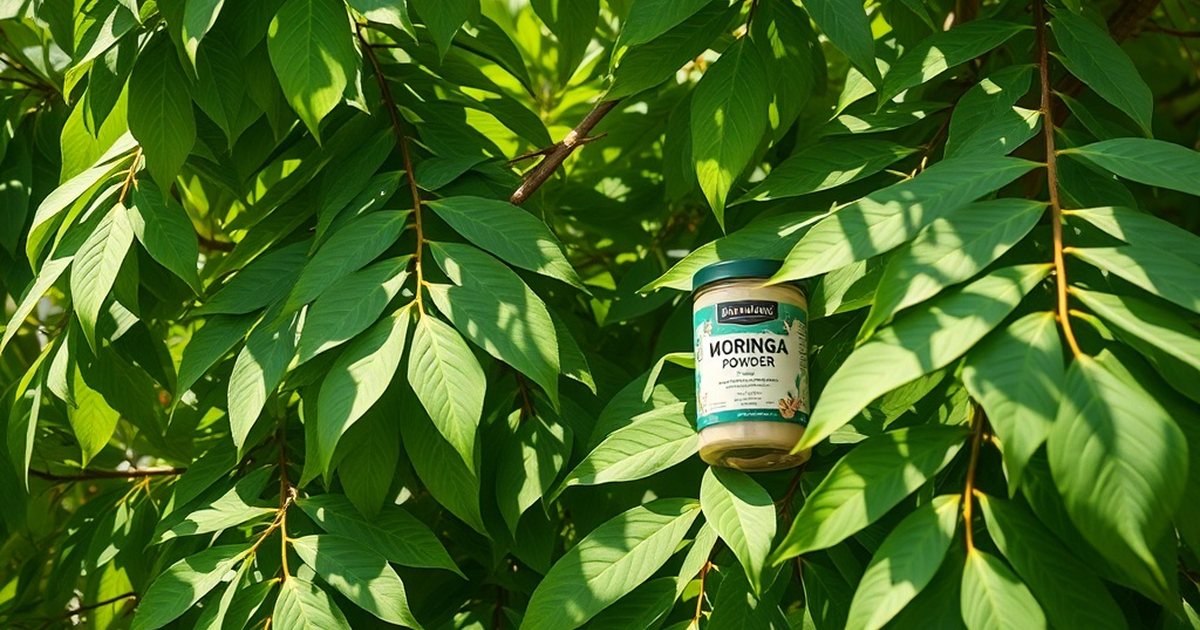
Regularly check the powder for changes in color (fading to yellow or brown), off‑odors (musty, rancid, or sour), clumping that does not break apart easily, or any visible mold. If any of these signs appear, discard the product to avoid potential quality or safety issues.

Practical Tips for Bulk vs Small Quantities
If you purchase moringa powder in bulk, divide it into smaller portions. Keep only the amount you expect to use within a few months in your main storage container, and store the remainder sealed tightly in a freezer‑safe, moisture‑proof bag if you have access to a freezer.
Label each container with the purchase or opening date and practice a “first in, first out” rotation system. This ensures older stock is used first, reducing the chance of keeping powder past its optimal freshness window.
🛒 Where to Buy Moringa (Moringa oleifera)
- CleanseParasites Intra-Cellular Superfood Editor’s Pick
Contains moringa leaf alongside sea moss, bladderwrack, black cumin seed, and other superfood ingredients. - Kuli Kuli Organic Moringa Powder
powder, 1 tsp (3g) — USDA organic, direct-sourced from smallholder farmers across Africa and India - Nature’s Way Moringa Leaf Capsules
capsules, 2 capsules (960mg) — Widely available mainstream supplement brand, whole-leaf capsules - Micro Ingredients Organic Moringa Leaf Powder
powder, 1 tsp (5g) — Budget-friendly bulk organic powder, third-party tested - Zint Moringa Leaf Powder
powder, 1 tbsp (7g) — Sourced from India, popular smoothie-add powder
As an Amazon Associate we earn from qualifying purchases. Quality varies widely — always choose a product with a published third-party test (COA) before buying.
A Note on the Evidence
This guidance is based on general principles of food preservation; individual results may vary, and if you have specific health concerns, are pregnant, or are taking medication, consult a healthcare professional before using moringa powder.
Frequently Asked Questions
Can I store moringa powder in the refrigerator?
Only if the container is completely airtight; otherwise, temperature changes can cause condensation inside the package, introducing moisture that promotes clumping and microbial growth.

Is it safe to freeze moringa powder?
Freezing can extend shelf life when moisture is prevented. Use a vacuum‑sealed bag or a rigid, moisture‑proof container to avoid ice crystals and freezer burn.
How much moringa powder should I keep on hand?
Keep a supply that matches your usage over a few months. This reduces storage time and helps ensure you consume the powder while its nutrient levels are still high.
Does the type of moringa (leaf vs seed) affect storage?
Leaf powder is the most common form and follows the guidelines above. Seed powder contains more fat and may be prone to rancidity faster, so the same precautions—dry, cool, dark, airtight—are especially important.
Can I use a regular zip‑top bag for storage?
Zip‑top bags are not ideal for long‑term storage because they are not fully impermeable to oxygen and can be punctured. A rigid airtight container offers better protection against moisture, light, and physical damage.
What if I notice a slight change in smell but no visible mold?
Off‑odors often indicate oxidation or lipid breakdown. If the smell is rancid, sour, or otherwise unpleasant, it is safest to discard the powder to avoid consuming degraded material.
References
- Micronutrient composition and acceptability of Moringa oleifera leaf-fortified dishes by children in Ada-East district, Ghana. Food Science and Nutrition (2017). PMID 28265366
- Review of the Safety and Efficacy of Moringa oleifera. Phytotherapy Research (2015). PMID 25808883
These statements have not been evaluated by the Food and Drug Administration. This information is not intended to diagnose, treat, cure, or prevent any disease. Content is for informational purposes only and is not medical advice; consult a qualified healthcare provider before starting any supplement. As an Amazon Associate we earn from qualifying purchases.
