Moringa oleifera is a fast‑growing tropical tree whose leaves are commonly dried and powdered for use as a nutrient‑dense food supplement. While the leaf is widely promoted for its vitamin and antioxidant content, the root and bark of the same plant have distinct chemical profiles and have been used in traditional medicine for different purposes.
The part of the plant that is consumed matters because it determines which phytochemicals are present in significant amounts and what safety considerations apply. Leaf preparations are generally well tolerated as a food[1][2], although in a 28-day mouse study high doses of leaf powder, but not the infusion, caused liver and kidney damage, whereas root and bark extracts contain higher levels of certain alkaloids and tannins that can pose risks, especially for vulnerable populations such as pregnant individuals.
Key Takeaways
- Moringa leaves are the most commonly used part for supplementation due to their favorable nutrient and antioxidant profile and generally good safety record.
- Root and bark contain distinct phytochemicals—particularly alkaloids and tannins—that give them different traditional uses but also a higher risk profile.
- Pregnant individuals should avoid concentrated moringa root or bark extracts because of their potential uterine‑stimulant effects.
- Leaf powder is considered safe as a food, but moderation and awareness of individual sensitivities are still recommended.
- Scientific research on moringa root and bark is limited; most human data focus on the leaf, so caution is warranted when using non‑leaf preparations.
Botanical Overview of Moringa oleifera
Moringa oleifera belongs to the Moringaceae family and is native to parts of Africa and Asia. It thrives in semi‑arid, tropical, and subtropical climates and is cultivated widely for its edible leaves, pods, seeds, and oil. The tree can reach heights of 10–12 meters and produces small, fragrant flowers and long, slender seed pods.
Different cultures have traditionally used various parts of the moringa tree. In Ayurvedic practice, the leaves are valued as a nutritive food, while the root and bark have been employed for more specific therapeutic purposes such as expelling parasites or treating inflammation. Understanding these traditional applications helps explain why modern interest focuses on the leaf for supplementation, while the root and bark are approached with caution.

Nutrient and Phytochemical Profile of Moringa Leaves
Moringa leaves are recognized for their broad spectrum of nutrients. They contain provitamin A (beta‑carotene), vitamin C, vitamin E, several B vitamins, and minerals such as calcium, potassium, iron, and magnesium. The leaves also provide a modest amount of protein and dietary fiber, making them a valuable food source in many communities.
Beyond basic nutrients, moringa leaves are rich in polyphenolic compounds including quercetin, kaempferol, and chlorogenic acid. These substances contribute to the leaf’s antioxidant activity, which has been observed in laboratory studies. Because the leaf is commonly consumed as a vegetable or powdered supplement, it is generally regarded as safe for most people when used in typical food amounts.
Moringa Root: Composition and Traditional Uses
The root of moringa contains a different set of phytochemicals compared with the leaf. Notably, it harbors alkaloids such as moringinine and spirochin, as well as certain glycosides and benzyl isothiocyanates. These compounds are present in lower concentrations in the leaf but are more abundant in root extracts.
In traditional medicine, moringa root preparations have been used as a vermifuge to expel intestinal worms, as a digestive aid, and occasionally as a topical poultice for swelling or joint discomfort. The presence of alkaloids gives the root a stronger pharmacological activity, which also raises concerns about toxicity when the extract is concentrated or taken in large amounts.
Moringa Bark: Composition and Traditional Uses
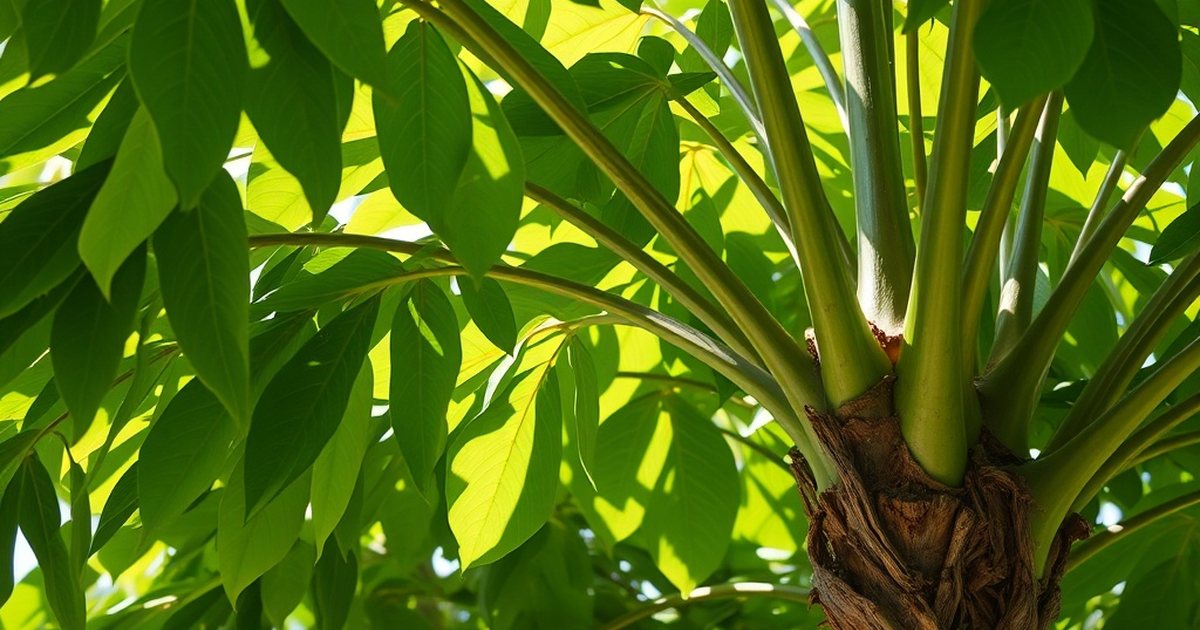
Moringa bark is characterized by relatively high levels of tannins, flavonoids, and various alkaloids. The tannin content contributes to an astringent taste and can bind to proteins and minerals, potentially affecting their absorption when consumed in large quantities. Flavonoids in the bark add to its antioxidant capacity, though the overall profile differs markedly from that of the leaf.

Historically, bark extracts have been applied to wounds for their hemostatic and antimicrobial properties, used in decoctions to reduce fever, and employed as a source of fiber for rope making. Because of the higher concentration of bioactive compounds, bark preparations are generally considered more potent—and thus carry a greater risk of adverse effects—than leaf‑based products.
Safety Considerations and Contraindications by Plant Part
Leaf‑derived moringa powder is typically well tolerated, with occasional mild gastrointestinal discomfort reported in sensitive individuals. Because it is consumed as a food in many regions, adverse events are uncommon at typical dietary levels. Nonetheless, individuals with specific allergies or those taking certain medications should exercise caution and consult a healthcare provider before starting any new supplement.
Root and bark extracts, however, contain higher concentrations of alkaloids and tannins that can stimulate uterine activity and may cause irritation of the gastrointestinal mucosa. Pregnant or breastfeeding individuals are advised to avoid concentrated root or bark preparations due to their traditional use as uterine stimulants. Limited human clinical data exist for these parts, so professional guidance is especially important when considering their use.
🛒 Where to Buy Moringa (Moringa oleifera)

- CleanseParasites Intra-Cellular Superfood Editor’s Pick
Contains moringa leaf alongside sea moss, bladderwrack, black cumin seed, and other superfood ingredients. - Kuli Kuli Organic Moringa Powder
powder, 1 tsp (3g) — USDA organic, direct-sourced from smallholder farmers across Africa and India - Nature’s Way Moringa Leaf Capsules
capsules, 2 capsules (960mg) — Widely available mainstream supplement brand, whole-leaf capsules - Micro Ingredients Organic Moringa Leaf Powder
powder, 1 tsp (5g) — Budget-friendly bulk organic powder, third-party tested - Zint Moringa Leaf Powder
powder, 1 tbsp (7g) — Sourced from India, popular smoothie-add powder
As an Amazon Associate we earn from qualifying purchases. Quality varies widely — always choose a product with a published third-party test (COA) before buying.
A Note on the Evidence
This article is informational only and does not constitute medical advice. The leaf/root distinction it draws is the part with published support behind it: reviews of moringa consistently treat the leaf as the food-grade part, with aqueous leaf preparations showing a high degree of safety in animal work and no adverse effects reported across the human studies published to date[1][2], while the same literature notes the plant is toxic at sufficient dose and that overuse can be genotoxic[3]. The pregnancy caution is not folklore: an aqueous extract of moringa root left the rat uterus unprepared for implantation[4], and abortifacient and uterine-stimulant activity is a recognised general hazard of concentrated botanical preparations in pregnancy[5]. Always consult a qualified healthcare professional before starting any new supplement, especially if you are pregnant, nursing, have a chronic condition, or are taking medications.
Frequently Asked Questions
What nutrients are found in moringa leaves?
Moringa leaves provide vitamins A, C, and E, B vitamins, minerals such as calcium, potassium, iron, and magnesium, along with protein, fiber, and polyphenols like quercetin and chlorogenic acid. These components contribute to the leaf’s reputation as a nutrient‑dense food.
Why is moringa root considered more risky than the leaf?
The root contains higher levels of alkaloids such as moringinine and spirochin, which have demonstrated uterine‑stimulant and vermifuge properties in traditional use. These compounds can increase the risk of adverse effects, especially when the root is consumed in concentrated extract form.
Can moringa bark be used for wound care?
Traditionally, moringa bark extracts have been applied to wounds due to their astringent tannins and potential antimicrobial activity. However, the high tannin content may also irritate healthy tissue, and scientific evidence supporting its efficacy is limited.

Is it safe to take moringa leaf powder every day?
Moringa leaf powder is generally well tolerated when used in amounts typical of dietary consumption. Some people may experience mild digestive upset, but serious side effects are rare. As with any supplement, it is advisable to start with a small amount and observe how your body responds.
Should pregnant women avoid all forms of moringa?
Pregnant individuals are specifically advised to avoid concentrated moringa root or bark preparations because of their uterine‑stimulant alkaloids. Using moringa leaf powder in typical food amounts is less likely to pose a risk, but consulting a healthcare provider before use is still prudent.
Are there any known drug interactions with moringa parts?
While data are sparse, the alkaloids in root and bark extracts could theoretically interact with medications that affect uterine tone or blood pressure. Leaf powder is less likely to cause interactions, but individuals on prescription medicines should discuss moringa use with their doctor.
References
- Review of the Safety and Efficacy of Moringa oleifera. Phytother Res, 2015
- Evaluation of acute toxicity, 28-day repeated dose toxicity, and genotoxicity of Moringa oleifera leaves infusion and powder. J Ethnopharmacol, 2022
- Moringa oleifera: a systematic review of its botany, traditional uses, phytochemistry, pharmacology and toxicity. J Pharm Pharmacol, 2022
- Uterine histoarchitecture during pre and post-implantation periods of rats treated with aqueous extract of Moringa oleifera Lam. Acta Eur Fertil, 1987
- Is it safe to consume traditional medicinal plants during pregnancy?. Phytother Res, 2021
These statements have not been evaluated by the Food and Drug Administration. This information is not intended to diagnose, treat, cure, or prevent any disease. Content is for informational purposes only and is not medical advice; consult a qualified healthcare provider before starting any supplement. As an Amazon Associate we earn from qualifying purchases.
