Moringa oleifera is a fast-growing tropical tree whose leaves are commonly dried and powdered into a nutrient-dense food product rich in vitamins A and C, calcium, potassium, and polyphenols such as quercetin and chlorogenic acid. Research into its potential liver-supportive properties has focused on antioxidant and mild anti-inflammatory activity from these plant compounds rather than a single drug-like active ingredient.
This article summarizes findings from animal and cell-based studies examining Moringa leaf extracts, seed oil, and novel nanoparticle formulations in models of chemical-induced liver injury, drug-induced hepatotoxicity, diabetic liver damage, fibrosis, and hepatitis B virus (HBV) infection. The FDA has not evaluated moringa leaf powder for safety or efficacy as a supplement, and human clinical data on liver outcomes are limited.
Key Takeaways
- Preclinical studies show Moringa oleifera leaf extracts, seed oil, and nanoparticle formulations reduce liver injury markers in rodent models of chemical, heavy metal, drug, and diabetes-induced hepatotoxicity [1][2][3][4][5].
- Anti-fibrotic effects are supported by in vitro hepatic stellate cell inhibition [6] and in vivo modulation of TGF-β/SMAD and NF-κB/PPARγ pathways in a CCl4 fibrosis model [7].
- In HBV model systems, Moringa extracts reduced viral replication markers in hepatocytes [8] and modulated antiviral cytokines in human immune cells [9], but clinical relevance is unknown.
- Mechanisms are attributed to polyphenol-mediated antioxidant (Nrf2, free radical scavenging) and anti-inflammatory (NF-κB inhibition) activity, with seed oil providing lipid-soluble constituents; no single ‘active ingredient’ has been established.
- Human clinical data on liver outcomes are absent; preparation variability, dose translation, and long-term safety of concentrated extracts remain unresolved.
Protection Against Chemical and Heavy Metal-Induced Liver Injury
Several rodent studies have tested Moringa oleifera leaf extracts against hepatotoxic agents. In male Wistar rats, an aqueous leaf extract attenuated lead acetate-induced liver injury, with improvements in oxidative stress markers and liver enzyme levels [1]. Similarly, seed oil demonstrated hepatoprotective effects against chemically induced hepatitis in rats, suggesting the lipid fraction also contains bioactive compounds [3].
A 2002 study found that Moringa oleifera extract protected against liver damage caused by antitubercular drugs (isoniazid, rifampicin, and pyrazinamide) in rats, with reductions in serum transaminases and preservation of hepatic architecture [2]. These models represent chemically driven oxidative stress and mitochondrial dysfunction, where Moringa’s polyphenol content may contribute to observed protective effects.

Effects in Diabetic and Metabolic Liver Injury Models
Diabetes-induced liver damage involves oxidative stress, inflammation, and lipid dysregulation. In diabetic male Wistar rats, Moringa oleifera treatment showed hepatoprotective, antihyperlipidemic, and anti-inflammatory activity, with improvements in liver histology and serum markers [4]. A more recent 2025 study used Moringa-mediated selenium nanoparticles in diabetic rats and reported enhanced antioxidant and hepatoprotective effects compared to the extract alone [5].
These findings suggest that Moringa preparations may modulate multiple pathways relevant to metabolic liver disease, including lipid peroxidation, inflammatory signaling, and endogenous antioxidant defenses. However, the nanoparticle formulation represents a modified delivery system distinct from conventional food-grade leaf powder.
Anti-Fibrotic Mechanisms: Stellate Cell Modulation and Signaling Pathways
Liver fibrosis involves activation of hepatic stellate cells (HSCs) into collagen-producing myofibroblasts. A 2024 in vitro study identified 1-phenyl-2-pentanol from Moringa oleifera Lam. as a compound with anti-fibrotic effects on HSCs, inhibiting activation markers and collagen production [6]. This provides a specific phytochemical link to anti-fibrotic activity.
In a carbon tetrachloride (CCl4)-induced fibrosis model, Moringa leaf extract combined with telmisartan modulated the TGF-β1/SMAD3/SMAD7 and HDAC2/NF-κB/PPARγ pathways, reducing fibrotic deposition and inflammatory signaling [7]. These pathways are central to fibrogenesis and inflammation, indicating that Moringa may act on multiple regulatory nodes. The combination with telmisartan (an angiotensin receptor blocker with PPARγ activity) complicates attribution of effects to Moringa alone.

Activity in Hepatitis B Virus Models
Two studies examined Moringa oleifera in HBV model systems. In Huh7 cells transiently transfected with HBV genotypes C and H, Moringa extract reduced viral antigen expression and intracellular HBV DNA levels [8]. A 2025 study using human peripheral blood mononuclear cells (PBMCs) found that Moringa and Phyllanthus niruri extracts modulated cytokine production relevant to anti-HBV immunity, including increased IFN-γ and IL-2 [9].
These in vitro and ex vivo findings suggest potential antiviral and immunomodulatory properties, but they are preliminary. Cell lines and PBMC cultures do not replicate the complexity of chronic HBV infection in vivo, and no human clinical trials of Moringa for HBV are cited in the available evidence.
Cell Line Studies and Mechanistic Insights
The HepG2 human hepatocellular carcinoma cell line has been used to assess cytotoxicity and protective effects. A 2023 study reported that Moringa oleifera crude extract exhibited dose-dependent effects on HepG2 cells, with low concentrations showing protective antioxidant activity and higher concentrations inducing cytotoxicity [10]. This biphasic response underscores the importance of dose and preparation type.
Mechanistically, the polyphenol-rich profile of Moringa leaves (quercetin, chlorogenic acid, kaempferol) is thought to underlie antioxidant effects via Nrf2 pathway activation and free radical scavenging, while anti-inflammatory effects may involve NF-κB inhibition. The seed oil contains oleic acid and other fatty acids that may contribute to membrane stabilization and lipid peroxidation reduction. These proposed mechanisms are inferred from phytochemical composition and pathway analyses in the cited studies, not definitively proven.

Evidence Limitations and Translation Gaps
The evidence base comes from rodent models (Wistar rats), human-derived cell lines (HepG2, Huh7), and primary human PBMCs. No randomized controlled trial in humans with liver disease endpoints has been published. Animal models of toxin-, drug-, and diabetes-induced injury do not fully replicate human liver disease etiology, progression, or comorbidity profiles.
Preparations vary widely across studies: aqueous leaf extracts, crude extracts, seed oil, selenium nanoparticles, and isolated compounds (1-phenyl-2-pentanol). Doses, extraction methods, and treatment durations differ, making direct comparisons difficult. The nanoparticle and isolated compound approaches represent pharmaceutical development paths distinct from dietary moringa leaf powder. Food-grade leaf preparations are generally well-tolerated, but root and bark extracts contain alkaloids with a higher risk profile and documented uterine-stimulant effects; pregnant individuals should avoid concentrated extracts and root/bark preparations.
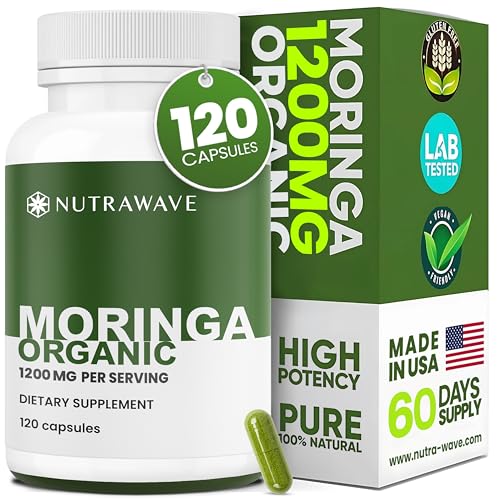
🛒 Where to Buy Moringa (Moringa oleifera)
- CleanseParasites Intra-Cellular Superfood Editor’s Pick
Contains moringa leaf alongside sea moss, bladderwrack, black cumin seed, and other superfood ingredients. - Kuli Kuli Organic Moringa Powder
powder, 1 tsp (3g) — USDA organic, direct-sourced from smallholder farmers across Africa and India - Nature’s Way Moringa Leaf Capsules
capsules, 2 capsules (960mg) — Widely available mainstream supplement brand, whole-leaf capsules - Micro Ingredients Organic Moringa Leaf Powder
powder, 1 tsp (5g) — Budget-friendly bulk organic powder, third-party tested - Zint Moringa Leaf Powder
powder, 1 tbsp (7g) — Sourced from India, popular smoothie-add powder
As an Amazon Associate we earn from qualifying purchases. Quality varies widely — always choose a product with a published third-party test (COA) before buying.

A Note on the Evidence
All evidence is preclinical (rodent preclinical (animal and cell studies); no human clinical trials support liver protection claims. Preparation types and doses vary widely. Root/bark extracts carry distinct risks. Consult a healthcare provider before using Moringa supplements, especially if pregnant, have liver disease, or take medications.
Frequently Asked Questions
Does Moringa oleifera protect the liver in humans?
No human clinical trials with liver disease endpoints are available in the cited evidence. All hepatoprotective data come from rodent models and cell studies [1][2][3][4][7].
Which part of the Moringa plant is used for liver research?
Studies have used aqueous leaf extracts [1][7], crude leaf and seed extracts [10][2], seed oil [3], selenium nanoparticles synthesized with Moringa [5], and an isolated compound (1-phenyl-2-pentanol) from leaves [6].
Can Moringa help with liver fibrosis?
In a rat CCl4 fibrosis model, Moringa leaf extract combined with telmisartan reduced fibrosis via TGF-β1/SMAD and HDAC2/NF-κB/PPARγ pathways [7]. An isolated Moringa compound inhibited hepatic stellate cell activation in vitro [6]. Human data are lacking.
Is Moringa effective against hepatitis B?
In cell models, Moringa extract reduced HBV antigens and DNA in Huh7 cells [8] and modulated anti-HBV cytokines in human PBMCs [9]. These are preliminary in vitro/ex vivo findings; no clinical evidence exists.
Are there safety concerns with Moringa for liver health?
Food-grade leaf powder is generally well-tolerated. However, root and bark extracts contain alkaloids with uterine-stimulant effects and a higher risk profile; pregnant individuals should avoid concentrated extracts and root/bark preparations. The FDA has not evaluated moringa for safety or efficacy as a supplement.
What is the proposed mechanism for Moringa's liver effects?
Polyphenols (quercetin, chlorogenic acid) are thought to provide antioxidant activity via Nrf2 activation and free radical scavenging, plus anti-inflammatory effects via NF-κB inhibition [4][7]. Seed oil contributes fatty acids that may reduce lipid peroxidation [3]. These are inferred mechanisms, not definitively proven in humans.
References
- Abdel Fattah ME et al. Hepatoprotective effect of Moringa oleifera leaves aquatic extract against lead acetate-induced liver injury in male Wistar rats. Environmental science and pollution research international (2020). PMID 32725563
- Pari L et al. Hepatoprotective activity of Moringa oleifera on antitubercular drug-induced liver damage in rats. Journal of medicinal food (2002). PMID 12495589
- Al-Said MS et al. Edible oils for liver protection: hepatoprotective potentiality of Moringa oleifera seed oil against chemical-induced hepatitis in rats. Journal of food science (2012). PMID 22757719
- Omodanisi EI et al. Hepatoprotective, Antihyperlipidemic, and Anti-inflammatory Activity of Moringa oleifera in Diabetic-induced Damage in Male Wistar Rats. Pharmacognosy research (2017). PMID 28539743
- Ahmad Tarmizi AA et al. Antioxidant and Hepatoprotective Effects of Moringa oleifera-mediated Selenium Nanoparticles in Diabetic Rats. F1000Research (2025). PMID 41084635
- Buakaew W et al. In Vitro Investigation of the Anti-Fibrotic Effects of 1-Phenyl-2-Pentanol, Identified from Moringa oleifera Lam., on Hepatic Stellate Cells. International journal of molecular sciences (2024). PMID 39201682
- Baky NAA et al. Mechanistic insight into the hepatoprotective effect of Moringa oleifera Lam leaf extract and telmisartan against carbon tetrachloride-induced liver fibrosis: plausible roles of TGF-β1/SMAD3/SMAD7 and HDAC2/NF-κB/PPARγ pathways. Drug and chemical toxicology (2025). PMID 38835191
- Feustel S et al. Protective Effects of Moringa oleifera on HBV Genotypes C and H Transiently Transfected Huh7 Cells. Journal of immunology research (2017). PMID 29214184
- Asare B et al. Immunomodulatory effect of Moringa oleifera and Phyllanthus niruri extracts on anti-HBV cytokine production by human peripheral blood mononuclear cells. Open research Europe (2025). PMID 41216486
- Sowunmi BO et al. The effect of Moringa oleifera crude extract on liver cell line, HepG2. BMC complementary medicine and therapies (2023). PMID 37884920
These statements have not been evaluated by the Food and Drug Administration. This information is not intended to diagnose, treat, cure, or prevent any disease. Content is for informational purposes only and is not medical advice; consult a qualified healthcare provider before starting any supplement. As an Amazon Associate we earn from qualifying purchases.
