Moringa oleifera leaf is sold primarily as a loose powder, encapsulated powder, or whole dried leaf pieces. All three start from the same raw material — shade-dried leaves milled to varying degrees — so the core nutrient profile (vitamins A and C, calcium, potassium, quercetin, chlorogenic acid, and other polyphenols) is fundamentally similar across forms.
Differences emerge in surface area, oxidation exposure, dosing precision, taste, and how easily each fits into meals or a supplement routine. This article breaks down those practical distinctions without overstating what limited clinical data exist[1], and highlights safety considerations for specific populations.
Key Takeaways
- All three forms — powder, capsules, whole dried leaf — originate from the same dried leaf material and share a similar nutrient and polyphenol profile.
- Powder offers the most dosing flexibility and fastest nutrient release but oxidizes quickest; capsules provide convenience and taste-masking at a higher cost per gram; whole leaf is least processed but requires preparation and yields variable dosing.
- No human trials directly compare bioavailability across forms; consuming moringa with dietary fat matters more for fat-soluble nutrients than the physical form.
- Safety: leaf is generally well-tolerated as food, but root/bark contain uterotonic alkaloids; pregnant individuals should avoid concentrated extracts and non-leaf parts.
- Select products with third-party testing for heavy metals, microbes, and pesticides regardless of form.
Nutrient Baseline: What the Leaf Actually Contains
Moringa leaf is valued for its concentration of essential micronutrients and plant polyphenols. The leaves provide provitamin A carotenoids, vitamin C, calcium, potassium, iron, and protein, along with flavonoid glycosides such as quercetin and phenolic acids like chlorogenic acid. These compounds are associated with antioxidant and mild anti-inflammatory activity in laboratory models[2], though human data remain sparse.
Because the leaf is dried rather than extracted with solvents, the full matrix of fiber, chlorophyll, and minor co-factors remains intact. This whole-food matrix may influence how nutrients are released during digestion compared with isolated extracts, but head-to-head human trials comparing forms are lacking.
Powder: Maximum Versatility, Faster Oxidation
Loose moringa powder offers the highest surface area, which can aid release of water-soluble compounds (vitamin C, potassium, chlorogenic acid) during digestion. It blends into smoothies, soups, sauces, and baked goods, allowing flexible dosing from a fraction of a teaspoon to several tablespoons.

The trade-off is exposure to air, light, and moisture each time the container is opened. Vitamin C and certain polyphenols are sensitive to oxidation; storing powder in an opaque, airtight container in a cool, dry place slows degradation. Taste is distinctly green and slightly bitter, which some users mask with citrus or sweet fruit.
Capsules: Convenience and Dose Consistency
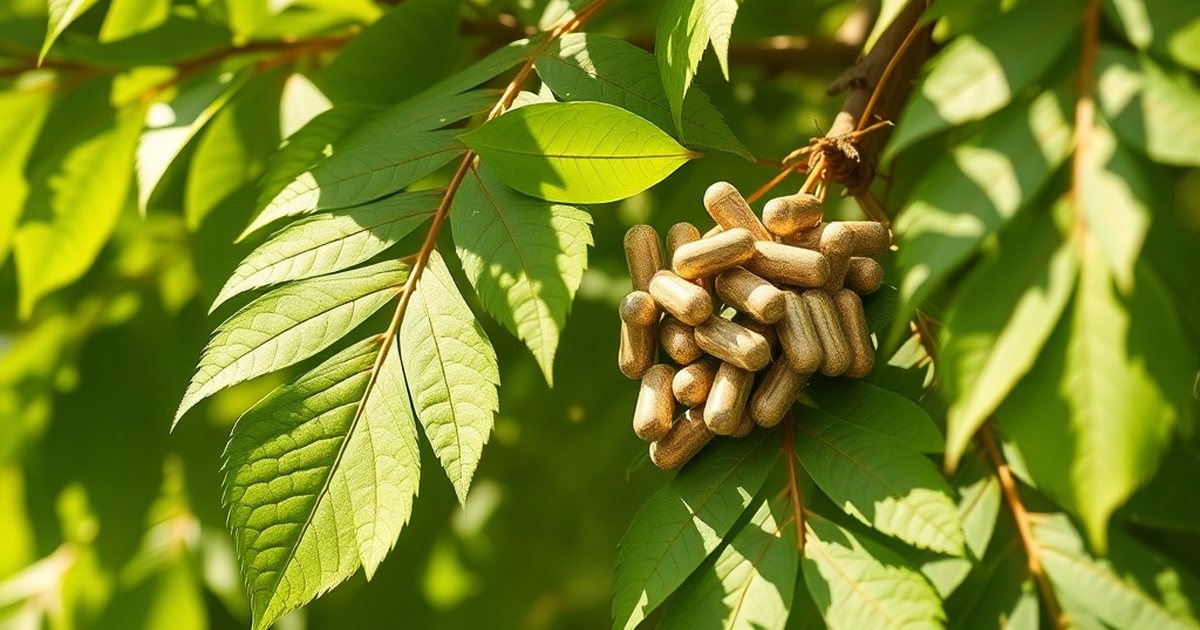
Encapsulated moringa powder (typically 400–500 mg per capsule) eliminates taste issues and provides pre-measured doses, which can improve adherence for people who dislike the flavor or travel frequently. The capsule shell (usually vegetarian cellulose or gelatin) adds a minor barrier that delays disintegration by minutes — generally not enough to meaningfully alter overall nutrient absorption.
Cost per gram is higher than bulk powder due to encapsulation and packaging. Users needing larger daily amounts (e.g., 5–10 g) may find swallowing 10–20 capsules impractical. Quality varies: some brands use pullulan or HPMC capsules, others use gelatin; fill weight can differ between lots, so choosing a brand with third-party testing for heavy metals and microbes is advisable.
Whole Dried Leaf: Minimal Processing, Slowest Release
Whole dried leaf pieces (often sold as “moringa tea cut” or “flakes”) undergo the least mechanical processing. They can be steeped as a tea, added to long-simmering broths, or ground fresh at home. The intact cell structure may slow nutrient release, potentially providing a more gradual absorption curve for water-soluble compounds.
Preparation time is higher, and particle size inconsistency makes precise dosing difficult. For tea, hot water extracts vitamin C, chlorogenic acid, and some quercetin glycosides, but fat-soluble carotenoids (provitamin A) and vitamin E remain largely in the spent leaf unless the leaf itself is consumed. Chewing or blending the rehydrated leaf captures more of the matrix.

Bioavailability and Matrix Effects
No published human studies directly compare the bioavailability of moringa nutrients across powder, capsule, and whole-leaf forms. In principle, finer particle size (powder) increases surface area for digestive enzymes, while encapsulation adds a brief disintegration step. Whole leaf may retain more intact chloroplasts, potentially protecting some carotenoids from oxidation until mechanical breakdown in the gut.
Fat-soluble nutrients (carotenoids, vitamin E) require dietary fat for absorption regardless of form. Consuming moringa with a source of fat — such as nuts, seeds, avocado, or oil-based dressings — is more impactful than the choice between powder and capsule. Fiber in the whole leaf and powder may modestly slow glucose absorption, a potential benefit for postprandial glycemic response.
Safety, Quality, and Special Populations
The FDA has not evaluated moringa leaf powder for safety or efficacy as a dietary supplement. Food-grade leaf preparations are generally well-tolerated in typical culinary amounts. However, root and bark extracts contain distinct alkaloids (including spirochin and other compounds with uterotonic properties documented in traditional use) and carry a higher risk profile; these parts should not be confused with leaf products.
Pregnant individuals should avoid concentrated leaf extracts, root, and bark preparations due to documented uterine-stimulant activity in traditional medicine. Anyone on anticoagulants, thyroid medication, or drugs metabolized by CYP450 enzymes should consult a healthcare provider before adding moringa supplements, as theoretical interactions exist. Choose products tested for heavy metals (lead, cadmium, arsenic), microbial limits, and pesticide residues.
Cost, Shelf Life, and Practical Decision Framework
Bulk powder typically offers the lowest cost per gram ($10–$20 per pound for organic leaf powder vs. $15–$30 for 120–180 capsules). Sheep life for all forms is 12–24 months if stored cool, dark, and dry; powder degrades fastest once opened. Capsules protect contents from air until opened, but the bottle headspace still permits slow oxidation.
Decision guide: Choose loose powder if you cook daily, want dosing flexibility, and don’t mind the taste. Choose capsules if you travel, dislike the flavor, or prefer fixed doses. Choose whole leaf if you enjoy tea rituals, want minimal processing, and can accommodate variable dosing. For all forms, pair with dietary fat, store airtight, and verify third-party testing.

🛒 Where to Buy Moringa (Moringa oleifera)
- CleanseParasites Intra-Cellular Superfood Editor’s Pick
Contains moringa leaf alongside sea moss, bladderwrack, black cumin seed, and other superfood ingredients. - Kuli Kuli Organic Moringa Powder
powder, 1 tsp (3g) — USDA organic, direct-sourced from smallholder farmers across Africa and India - Nature’s Way Moringa Leaf Capsules
capsules, 2 capsules (960mg) — Widely available mainstream supplement brand, whole-leaf capsules - Micro Ingredients Organic Moringa Leaf Powder
powder, 1 tsp (5g) — Budget-friendly bulk organic powder, third-party tested - Zint Moringa Leaf Powder
powder, 1 tbsp (7g) — Sourced from India, popular smoothie-add powder
As an Amazon Associate we earn from qualifying purchases. Quality varies widely — always choose a product with a published third-party test (COA) before buying.
A Note on the Evidence
Human clinical data on moringa leaf are limited; most evidence comes from lab and animal studies. This information is educational and not medical advice. Individuals who are pregnant, taking medications (especially anticoagulants, thyroid drugs, or CYP450 substrates), or managing a health condition should consult a qualified healthcare professional before using moringa supplements.
Frequently Asked Questions
Does moringa powder lose nutrients faster than capsules?
Yes. Powder has greater surface area exposed to air, light, and moisture each time the container is opened, accelerating oxidation of vitamin C and some polyphenols. Capsules provide a partial barrier until opened, but both forms degrade over months; store in opaque, airtight containers in a cool, dry place.
Can I open moringa capsules and use the powder in food?
Yes. The contents are the same dried leaf powder; opening capsules is an option if you occasionally want to blend into a smoothie. Note that capsule shells (cellulose or gelatin) add negligible fiber and do not affect the leaf’s nutrient profile.

Is whole dried leaf more nutritious because it's less processed?
Not necessarily. Whole leaf retains intact cell structures that may slow nutrient release, but it also makes dosing imprecise. Powder’s finer particles can increase the fraction of water-soluble compounds released during digestion. No human studies confirm one form delivers superior overall nutrient absorption.
How much moringa leaf should I take daily?
There is no established Recommended Dietary Allowance. Culinary use typically ranges from 1–2 teaspoons (2–4 g) of powder per day; supplement labels often suggest 1–3 g. Start with a small amount to assess tolerance, and consult a healthcare provider if you have a medical condition or take medications.
Is moringa safe during pregnancy?
Pregnant individuals should avoid concentrated moringa extracts, root, and bark preparations, which have documented uterine-stimulant use in traditional medicine. Food-grade leaf in typical culinary amounts has less evidence of risk, but safety in pregnancy has not been systematically studied; consult your obstetric provider.
What should I look for on a moringa product label?
Look for: 1) “Moringa oleifera leaf” as the sole ingredient (no root/bark), 2) organic certification if possible, 3) third-party testing for heavy metals (lead, cadmium, arsenic), microbial limits, and pesticides, 4) opaque, resealable packaging, 5) clear serving size in grams or milligrams.
References
- Moringa oleifera Lamk. as a Promising Adjunct Therapeutic Candidate: A Narrative Review of Human Studies and Published Case Reports. Drug Design, Development and Therapy (2026). PMID 41710586
- Review of the Safety and Efficacy of Moringa oleifera. Phytotherapy Research (2015). PMID 25808883
These statements have not been evaluated by the Food and Drug Administration. This information is not intended to diagnose, treat, cure, or prevent any disease. Content is for informational purposes only and is not medical advice; consult a qualified healthcare provider before starting any supplement. As an Amazon Associate we earn from qualifying purchases.
