Moringa oleifera, often called the drumstick tree or horseradish tree, has been cultivated for thousands of years across the Indian subcontinent and Africa. Its leaves, pods, seeds, flowers, bark, and roots each hold distinct roles in regional healing traditions, reflecting the plant’s adaptability and nutritional density.
This article surveys documented traditional applications of moringa in Ayurveda and various African medicine systems. It distinguishes between food-grade leaf preparations commonly consumed today and the more potent root and bark preparations that carry specific safety considerations, particularly in pregnancy.
Key Takeaways
- Moringa has distinct, documented roles in Ayurveda and multiple African medicine systems, with plant-part-specific uses and safety guidelines.
- Leaves and immature pods are traditionally consumed as nutritious foods with broad safety; roots and bark are restricted to trained practitioners and contraindicated in pregnancy.
- Traditional processing (prolonged boiling, small doses, herb combinations) mitigates toxicity of root/bark preparations — a safeguard often absent in modern extracts.
- The most consistent cross-cultural use is nutritional: moringa leaf as a drought-resilient food for maternal/child health and famine resilience.
- Modern supplement use focuses on leaf polyphenols and nutrients but lacks the traditional safety framework of whole-plant, culturally guided use.
Moringa in Ayurvedic Tradition
In Ayurveda, moringa (known as shigru or sahijan) is classified as a heating (ushna), pungent (katu), and light (laghu) herb that balances kapha and vata doshas while potentially aggravating pitta in excess. Classical texts such as the Charaka Samhita and Sushruta Samhita reference shigru for its ability to support digestion, reduce swelling (shothahara), and promote wound healing (vranaropana). The leaves are traditionally prepared as a cooked vegetable or soup (shaka) to enhance nutritional status, especially during convalescence.
Ayurvedic practitioners historically used different plant parts for specific indications: leaf paste applied externally for skin conditions and joint stiffness; seed powder for nasal administration (nasya) in headache and sinus congestion; root bark decoctions for digestive sluggishness and as a vermifuge; and flower preparations for urinary disorders. The seed oil, cold-pressed from mature pods, was valued for its stability and used both internally and in medicated oils for massage (abhyanga).
West African Ethnobotanical Uses
Across West Africa — particularly in Senegal, Mali, Nigeria, and Ghana — moringa (known locally as nebeday, zogale, or gawara) functions as both a dietary staple and a medicinal resource. Traditional healers and household caregivers use fresh leaf sauces to address malnutrition, anemia, and general weakness in children and postpartum women. The high iron, calcium, and vitamin A content of fresh leaves aligns with these traditional indications for blood-building and strength recovery.

Root and bark decoctions are employed more cautiously by experienced practitioners for conditions including epilepsy, hysteria, and as an abortifacient — a use that reflects documented uterine-stimulant alkaloids such as spirochin. Seed powder is used to clarify turbid water, a practice that doubles as a diarrheal prevention strategy. In some Sahelian communities, the gum exudate from wounded bark is collected and used for stomach ailments and as a binder in herbal pills.
East and Southern African Applications
In East Africa — Kenya, Tanzania, Uganda, and Ethiopia — moringa (muringa, mulunggay, or shiferaw) is integrated into both human and livestock health practices. Maasai and Samburu herbalists use root infusions for rheumatic pain and as a general tonic for elders. The Kikuyu traditionally apply crushed leaves to wounds and skin infections, leveraging the plant’s antimicrobial reputation. In Ethiopia, the leaf is a key ingredient in traditional weaning foods to combat child stunting.
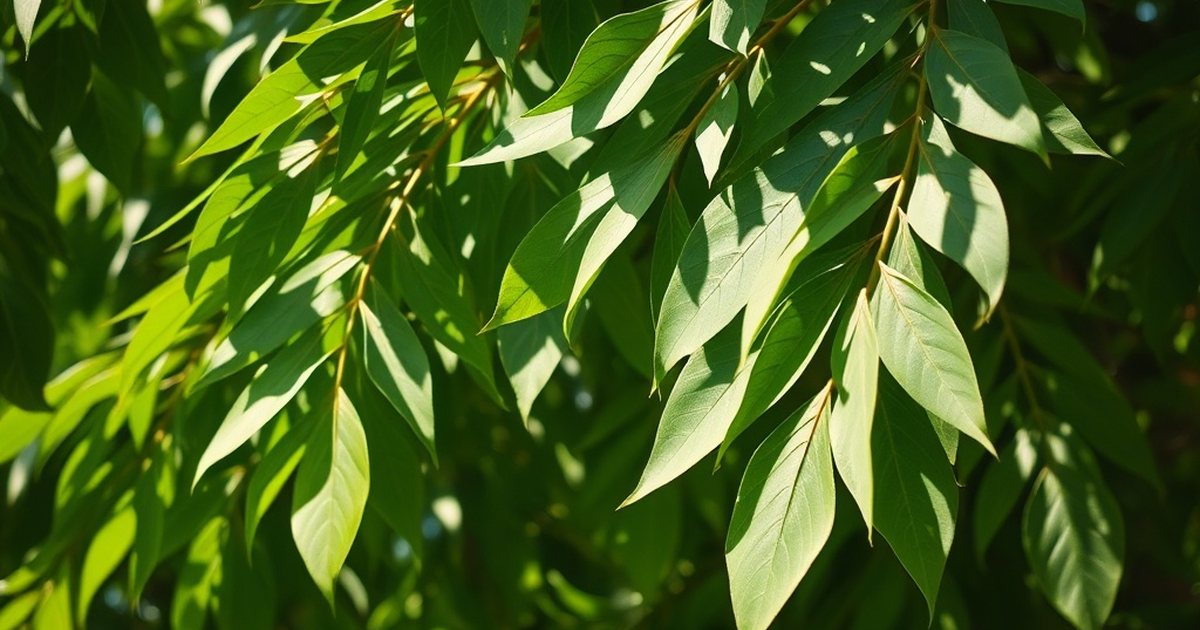
Southern African traditions (Zulu, Xhosa, Sotho) document use of moringa leaf infusions for hypertension, diabetes symptoms, and immune support during seasonal illness. Bark and root preparations are reserved for trained healers (inyanga) due to toxicity concerns, particularly the presence of alkaloids that can cause paralysis at high doses. Veterinary uses include feeding leaves to poultry and goats to improve productivity and disease resistance.
Comparative Plant Part Selection and Safety Traditions
Both Ayurvedic and African systems demonstrate a sophisticated understanding of plant part differentiation. Leaves and immature pods are widely consumed as food with broad safety margins. Flowers are used moderately. Seeds are employed in measured doses for water purification and specific ailments. Roots and bark, however, are consistently restricted to knowledgeable practitioners, with explicit contraindications during pregnancy documented across multiple cultures.
Traditional processing methods often mitigate toxicity: root bark is typically boiled extensively (decoction) rather than taken raw; dosages are small and time-limited; and combinations with other herbs (e.g., ginger, black pepper in Ayurveda; millet porridge in West Africa) are used to buffer harsh effects. These practices reflect empirical risk management that modern users of concentrated extracts may bypass.

Nutritional Role in Food Security and Maternal Health
Beyond specific medicinal indications, moringa’s most widespread traditional role is nutritional insurance. In regions with seasonal food scarcity, the tree’s drought tolerance and year-round leaf production make it a critical famine food. Programs in Senegal, Niger, and India have revived traditional leaf-drying techniques to create shelf-stable powders for dry-season supplementation, particularly for pregnant and lactating women and young children.
Traditional postpartum regimens in both systems emphasize moringa leaf soups to replenish blood, support lactation, and restore strength. The leaves’ calcium, potassium, iron, and vitamin A content directly address nutrient demands of lactation. However, traditional wisdom uniformly cautions against root and bark use during pregnancy and early lactation due to uterine-stimulant effects — a distinction sometimes lost in modern supplement marketing.
From Traditional Use to Modern Context
Contemporary interest in moringa leaf powder as a dietary supplement draws primarily on[1] the leaf’s nutrient density and polyphenol content (quercetin, chlorogenic acid), with proposed mechanisms centered on antioxidant and mild anti-inflammatory activity. This aligns with traditional leaf use as a nutritive tonic but diverges from the more targeted, plant-part-specific, and practitioner-guided applications of root and bark in classical systems.
Modern consumers should recognize that traditional safety data pertains to whole-plant, food-based preparations used within cultural dosage frameworks. Concentrated extracts, isolates, and unregulated supplements lack this traditional safety context. The FDA has not evaluated moringa leaf powder for safety or efficacy as a supplement. Pregnant individuals should avoid concentrated extracts and root/bark preparations, which have documented uterine-stimulant use in traditional medicine.

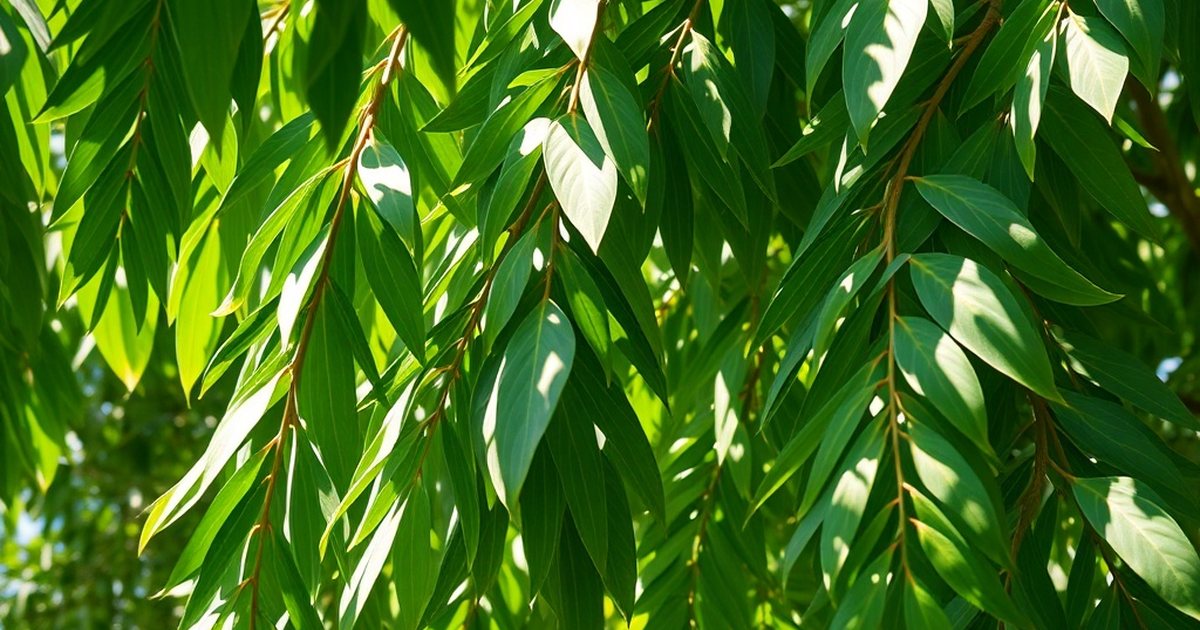
🛒 Where to Buy Moringa (Moringa oleifera)
- CleanseParasites Intra-Cellular Superfood Editor’s Pick
Contains moringa leaf alongside sea moss, bladderwrack, black cumin seed, and other superfood ingredients. - Kuli Kuli Organic Moringa Powder
powder, 1 tsp (3g) — USDA organic, direct-sourced from smallholder farmers across Africa and India - Nature’s Way Moringa Leaf Capsules
capsules, 2 capsules (960mg) — Widely available mainstream supplement brand, whole-leaf capsules - Micro Ingredients Organic Moringa Leaf Powder
powder, 1 tsp (5g) — Budget-friendly bulk organic powder, third-party tested - Zint Moringa Leaf Powder
powder, 1 tbsp (7g) — Sourced from India, popular smoothie-add powder
As an Amazon Associate we earn from qualifying purchases. Quality varies widely — always choose a product with a published third-party test (COA) before buying.
A Note on the Evidence
Traditional use data reflects whole-plant, food-based preparations within cultural dosage frameworks; concentrated extracts and isolates lack this safety context. The FDA has not evaluated moringa for safety or efficacy as a supplement. Pregnant individuals should avoid root, bark, and concentrated extracts. Consult a healthcare provider before using moringa supplements, especially if pregnant, nursing, or taking medications.
Frequently Asked Questions
What parts of moringa are traditionally used as food versus medicine?
Leaves, young pods, flowers, and seeds are widely eaten as food across Africa and South Asia. Roots and bark are reserved for specific medicinal uses by trained practitioners due to alkaloid content and uterine-stimulant effects.
Is moringa safe during pregnancy according to traditional systems?
Traditional systems consistently contraindicate root and bark preparations during pregnancy due to documented uterine-stimulant effects. Leaf consumption as a cooked vegetable is generally considered safe, but concentrated extracts lack traditional safety data.

How did traditional healers prepare moringa root and bark to reduce toxicity?
Root and bark were typically prepared as prolonged decoctions (boiled extensively), used in very small doses for short durations, and often combined with buffering herbs like ginger or pepper in Ayurveda, or taken with porridge in African traditions.
What traditional uses of moringa align with its known nutrient profile?
Leaf use for anemia, malnutrition, postpartum recovery, lactation support, and child weaning aligns with high iron, calcium, vitamin A, potassium, and protein content. Seed use for water clarification leverages natural coagulant proteins.
Do African and Ayurvedic traditions use moringa for similar conditions?
Both systems use leaf preparations for nutrition, strength, and inflammatory conditions. Both restrict root/bark to experts and contraindicate them in pregnancy. Ayurveda has more codified textual references; African traditions show regional variation but consistent safety hierarchies.
Can modern moringa supplements replicate traditional benefits?
Modern leaf powders provide concentrated nutrients and polyphenols but lack the traditional context of whole-plant use, practitioner guidance, plant-part selection, and processing methods that managed risk — especially for root/bark alkaloids.
References
- Review of the Safety and Efficacy of Moringa oleifera. Phytotherapy Research (2015). PMID 25808883
These statements have not been evaluated by the Food and Drug Administration. This information is not intended to diagnose, treat, cure, or prevent any disease. Content is for informational purposes only and is not medical advice; consult a qualified healthcare provider before starting any supplement. As an Amazon Associate we earn from qualifying purchases.
