Moringa oleifera, a fast-growing tropical tree, has gained attention for its nutritional leaves and potential as a sustainable crop in regions facing climate stress. Its ability to thrive in marginal soils with minimal inputs makes it a candidate for agroecological systems aimed at food security and environmental restoration.
This article examines the agronomic and ecological characteristics that contribute to moringa’s reputation as a climate-resilient species, including its water-use efficiency, soil-improving properties, and capacity for carbon sequestration, while acknowledging gaps in large-scale, long-term research.
Key Takeaways
- Moringa’s deep roots, rapid growth, and low input needs make it well-suited to marginal and drought-prone environments.
- As a perennial, it reduces soil disturbance, cycles nutrients, and can sequester carbon in biomass and roots.
- Leaf production for nutrition can be integrated into agroforestry systems, providing food, fodder, and income.
- Water-use efficiency is high, but supplemental irrigation improves yield and quality in arid zones.
- Significant research gaps remain in genotype-by-environment interactions, long-term ecosystem impacts, and scalable value chains.
Agronomic Traits Supporting Climate Resilience
Moringa exhibits several physiological adaptations that allow it to withstand high temperatures, low rainfall, and poor soil fertility. It develops a deep taproot system that accesses subsoil moisture, enabling survival during extended dry periods. The tree can grow in a wide range of soil types, including sandy, loamy, and even mildly saline soils, and it tolerates pH levels from 4.5 to 9.0. These traits reduce the need for irrigation and chemical amendments, lowering the crop’s environmental footprint.
Rapid growth rates — often reaching 3–5 meters in the first year — allow for quick establishment of vegetative cover, which protects soil from erosion and suppresses weeds. The tree responds well to coppicing and pollarding, enabling repeated harvests of leaves and pods without replanting. This perennial habit reduces soil disturbance compared to annual crops, preserving soil structure and organic matter.
Water-Use Efficiency and Drought Tolerance
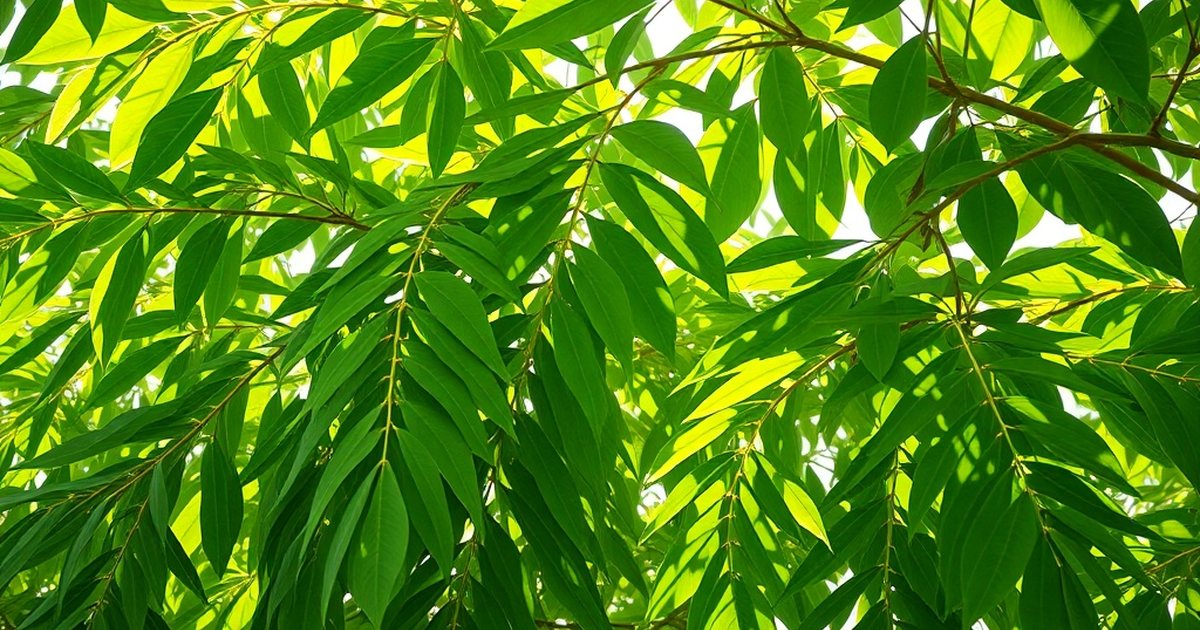
Moringa’s water requirements are relatively low once established, with studies indicating it can produce meaningful leaf yields under rainfed conditions in areas receiving as little as 400–600 mm of annual rainfall. Its small, tripinnate leaves reduce transpirational surface area, and the tree can shed foliage during severe drought, entering a dormant state until moisture returns. This plasticity makes it suitable for semi-arid and arid zones where water scarcity limits conventional agriculture.
In agroforestry configurations, moringa’s canopy can reduce soil evaporation and moderate microclimate temperatures for understory crops. However, optimal leaf production for human consumption still benefits from supplemental water during prolonged dry spells, and yield responses to irrigation vary by genotype and management.

Soil Health and Agroforestry Contributions
Moringa contributes to soil fertility through multiple pathways. Its leaf litter decomposes rapidly, releasing nutrients such as nitrogen, phosphorus, potassium, and calcium back into the topsoil. The tree is also reported to associate with arbuscular mycorrhizal fungi, which enhance phosphorus uptake and soil aggregation. When grown in alley-cropping or boundary plantings, moringa can act as a ‘nutrient pump,’ cycling nutrients from deeper soil layers to the surface via leaf fall and pruning residues.
Root exudates may have allelopathic effects on certain weeds, potentially reducing herbicide needs. However, these same compounds could inhibit germination of some companion crops if not managed properly. Integrating moringa into diversified farming systems requires site-specific design to maximize synergies and minimize competition.
Carbon Sequestration and Environmental Footprint
As a perennial woody species, moringa sequesters carbon in both above-ground biomass and root systems. Estimates of carbon storage vary widely depending on planting density, climate, and harvest frequency, but even regularly coppiced stands maintain a persistent root stock that accumulates carbon over time. When leaf biomass is used locally as food or animal feed, the carbon cycle remains relatively short, avoiding emissions associated with long-distance transport and processing.
Life-cycle assessments of moringa leaf powder production are limited, but preliminary analyses suggest a lower greenhouse gas intensity per unit of nutrient delivered compared to many annual vegetable crops, especially when grown without synthetic fertilizers. Processing steps — washing, drying, milling — represent the largest energy inputs; solar drying can further reduce the carbon footprint.
Socioeconomic Dimensions and Food Security
Moringa’s year-round leaf availability (in frost-free zones) provides a reliable source of vitamins, minerals, and protein during lean seasons[1] when other vegetables are scarce. Its low input requirements make it accessible to smallholder farmers with limited capital. Women’s groups in several countries have developed local enterprises around moringa leaf powder, creating income while improving community nutrition.
Market development remains a challenge: quality standards, post-harvest handling infrastructure, and consumer awareness are uneven. Overharvesting of wild populations has been reported in some regions, underscoring the need for cultivated sources and sustainable harvest guidelines.

Research Gaps and Future Directions
Despite growing interest, peer-reviewed data on moringa’s long-term performance in diverse agroecological zones are sparse. Multi-location, multi-year trials comparing genotypes for yield stability, nutrient density, and stress tolerance are needed. Quantification of ecosystem services — such as pollinator support, biodiversity enhancement, and soil carbon accrual — under different management regimes remains limited.
Breeding programs are in early stages; most plantings rely on local landraces or unselected seed. Development of improved varieties with enhanced leaf quality, pest resistance, and adaptability to specific climates could accelerate adoption. Socioeconomic research on value-chain bottlenecks and gender dynamics in moringa enterprises would support equitable scaling.
🛒 Where to Buy Moringa (Moringa oleifera)
- CleanseParasites Intra-Cellular Superfood Editor’s Pick
Contains moringa leaf alongside sea moss, bladderwrack, black cumin seed, and other superfood ingredients. - Kuli Kuli Organic Moringa Powder
powder, 1 tsp (3g) — USDA organic, direct-sourced from smallholder farmers across Africa and India - Nature’s Way Moringa Leaf Capsules
capsules, 2 capsules (960mg) — Widely available mainstream supplement brand, whole-leaf capsules - Micro Ingredients Organic Moringa Leaf Powder
powder, 1 tsp (5g) — Budget-friendly bulk organic powder, third-party tested - Zint Moringa Leaf Powder
powder, 1 tbsp (7g) — Sourced from India, popular smoothie-add powder
As an Amazon Associate we earn from qualifying purchases. Quality varies widely — always choose a product with a published third-party test (COA) before buying.
A Note on the Evidence
Agronomic performance varies widely by genotype, soil, climate, and management; most evidence comes from small-scale or short-term studies. Consult local agricultural extension for site-specific recommendations. This information is educational and not a substitute for professional agronomic advice.
Frequently Asked Questions
Is moringa truly drought-tolerant?
Moringa survives severe drought by shedding leaves and relying on a deep taproot, but consistent leaf yields for nutrition require some moisture; it performs best with 400–600 mm annual rainfall or supplemental water.

Does moringa improve soil fertility?
Yes, its fast-decomposing leaf litter returns nutrients to topsoil, and its roots may access deeper nutrients. It also hosts mycorrhizal fungi that enhance soil structure, though allelopathic effects on some crops need management.
Can moringa be grown in cold climates?
Moringa is frost-sensitive; it can be grown as an annual in temperate zones or in protected environments, but perennial productivity requires frost-free conditions.
What is the carbon footprint of moringa leaf powder?
Preliminary assessments suggest low emissions per nutrient unit, especially with solar drying and local consumption. However, comprehensive life-cycle analyses are lacking.
Are there risks of moringa becoming invasive?
Moringa can naturalize in tropical and subtropical regions; responsible cultivation includes preventing seed spread into native ecosystems and monitoring local guidelines.
How does moringa fit into sustainable farming systems?
It works well in agroforestry, alley cropping, and home gardens, providing multiple outputs (food, fodder, fuel, fertilizer) while conserving soil and water. Integration design should match local ecology and farmer goals.
References
- Micronutrient composition and acceptability of Moringa oleifera leaf-fortified dishes by children in Ada-East district, Ghana. Food Science and Nutrition (2017). PMID 28265366
These statements have not been evaluated by the Food and Drug Administration. This information is not intended to diagnose, treat, cure, or prevent any disease. Content is for informational purposes only and is not medical advice; consult a qualified healthcare provider before starting any supplement. As an Amazon Associate we earn from qualifying purchases.
