Moringa oleifera leaf powder has gained attention as a concentrated source of vitamins, minerals, and polyphenolic compounds. The dried leaves are notably rich in vitamin A (as beta-carotene), vitamin C, calcium, potassium, and plant compounds such as quercetin and chlorogenic acid, which contribute to the leaf’s antioxidant and mild anti-inflammatory profile.
Because the FDA has not evaluated moringa leaf powder for safety or efficacy as a dietary supplement, product quality varies widely across brands. This guide outlines what to look for — and what to avoid — when selecting moringa capsules, with an emphasis on plant part used, processing methods, and safety considerations for specific populations.
Key Takeaways
- Choose products made exclusively from moringa leaf powder — avoid root, bark, or unspecified plant parts.
- Verify third-party testing for heavy metals, pesticides, and microbes; request COAs if not posted publicly.
- Prefer low-temperature dried, vibrant green powder in opaque, airtight packaging with a recent manufacture date.
- Select vegetable cellulose capsules (pullulan or hypromellose) with no unnecessary fillers or flow agents.
- Treat moringa capsules as a nutrient-dense food supplement, not a therapeutic agent; maintain realistic expectations.
Leaf Powder Versus Root or Bark: Why Plant Part Matters
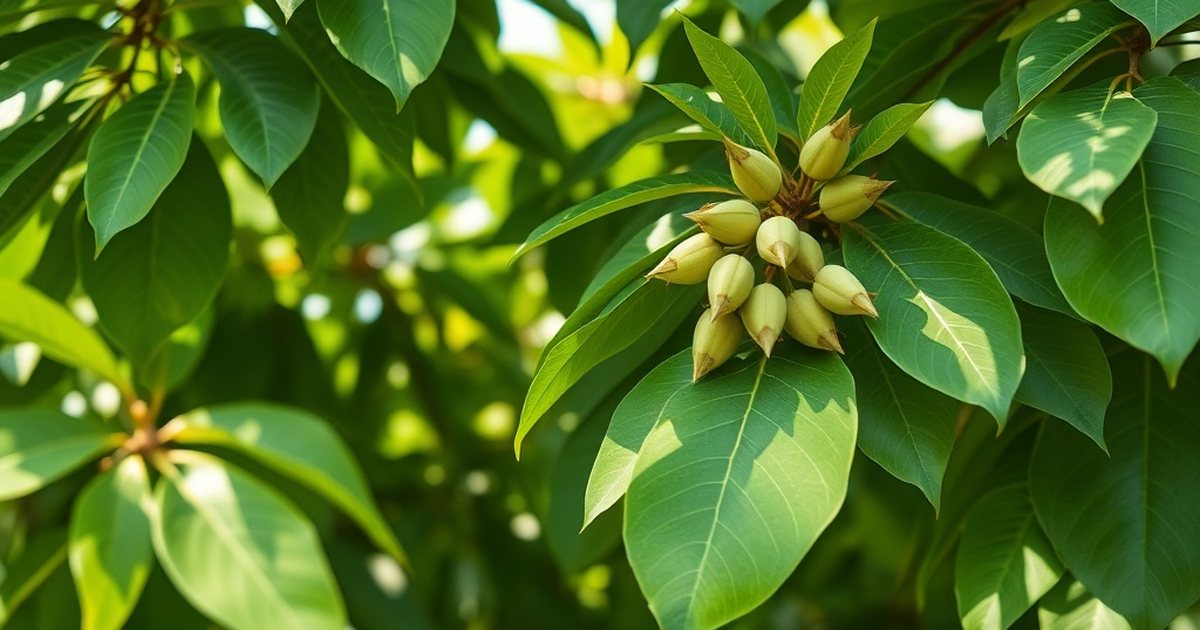
The vast majority of research and traditional food use centers on moringa leaves[1], which are consumed as a vegetable or dried into powder across many tropical regions. Leaves provide the nutrient density and polyphenol content associated with the plant’s beneficial reputation, and food-grade leaf preparations are generally well-tolerated when used at culinary or moderate supplemental doses.
Root and bark extracts present a distinctly different risk profile. These plant parts contain alkaloids — including compounds with vermifuge (anti-parasitic) activity — and have documented traditional use as uterine stimulants. Concentrated root or bark preparations are not appropriate for general wellness use and should be avoided entirely by pregnant individuals. Reputable capsule products should explicitly state “leaf” or “leaf powder” on the supplement facts panel and avoid proprietary blends that obscure the plant part used.
Processing Methods and Nutrient Retention
Moringa leaves are highly perishable after harvest. The drying method directly affects the retention of heat-sensitive nutrients — particularly vitamin C and certain polyphenols — as well as the final powder’s microbial safety. Low-temperature shade drying or freeze-drying tends to preserve more of the native nutrient and phytochemical profile than high-heat oven drying or sun drying in unsanitary conditions.

After drying, the leaves are milled into powder. Particle size influences both encapsulation flow and digestive availability; very fine powders may clump in capsules, while coarse powders can feel gritty. Some manufacturers use a gentle milling process followed by sieving to achieve a consistent mesh size. The powder should be a vibrant green color; dull, brownish-green powder may indicate oxidation, prolonged storage, or excessive heat exposure during processing.
Certifications, Testing, and Label Transparency
Because moringa is often grown in regions with variable agricultural oversight, third-party testing for heavy metals (lead, cadmium, arsenic, mercury), pesticide residues, and microbial contaminants (E. coli, Salmonella, yeast, mold) is a critical quality marker. Look for brands that provide certificates of analysis (COAs) from ISO-accredited laboratories, either on their website or by request.
Organic certification (USDA Organic, EU Organic, or equivalent) adds assurance that synthetic pesticides and fertilizers were not used, though it does not guarantee low heavy metal content if the soil itself is contaminated. Non-GMO verification is largely irrelevant for moringa, as no genetically engineered varieties are commercially cultivated. The supplement facts panel should list the amount of moringa leaf powder per capsule (typically 400–500 mg), the plant part (leaf), and the country of origin. Avoid products that list only “moringa” without specifying leaf, or that hide the powder amount inside a proprietary blend.
Capsule Format: Vegetable Cellulose vs. Gelatin and Fill-Free Claims
Most moringa capsules use either pullulan (fermented tapioca starch), hypromellose (plant-derived cellulose), or bovine gelatin shells. Pullulan and hypromellose are suitable for vegetarians and vegans and have low moisture permeability, which helps protect the hygroscopic leaf powder from humidity. Gelatin capsules are less expensive but may not align with dietary restrictions and can become brittle in very dry environments.
A clean label means the capsule contains only moringa leaf powder and the capsule shell — no magnesium stearate, silicon dioxide, microcrystalline cellulose, rice flour, or other flow agents and fillers. While these excipients are generally recognized as safe, their presence dilutes the active ingredient and may indicate a manufacturing process optimized for speed rather than purity. Some brands use a small amount of rice hull or nu-flow rice concentrate as a natural flow aid; this is acceptable if disclosed, but a fill-free product is preferable.

Dosage Context and Realistic Expectations
Typical supplemental serving sizes range from 800 mg to 1,500 mg of moringa leaf powder per day (two to three capsules), though culinary use in some cultures involves higher amounts. There is no established Recommended Dietary Allowance or standardized therapeutic dose for moringa leaf powder. The nutrient contribution per capsule is modest: a 500 mg capsule provides a fraction of daily vitamin and mineral needs, so moringa capsules are best viewed as a complement to — not a replacement for — a varied diet.
The proposed mechanisms for moringa leaf center on the collective antioxidant and mild anti-inflammatory activity of its polyphenols, including quercetin and chlorogenic acid, rather than a single[1] drug-like compound. This means effects, if any, are likely subtle and cumulative, not acute or dramatic. Claims of rapid weight loss, hormone balancing, or disease reversal are not supported by the current evidence base and should be treated as red flags. Consistency of use over weeks to months, alongside a nutrient-dense diet, is the most realistic framework for evaluation.
Storage, Shelf Life, and Signs of Degradation
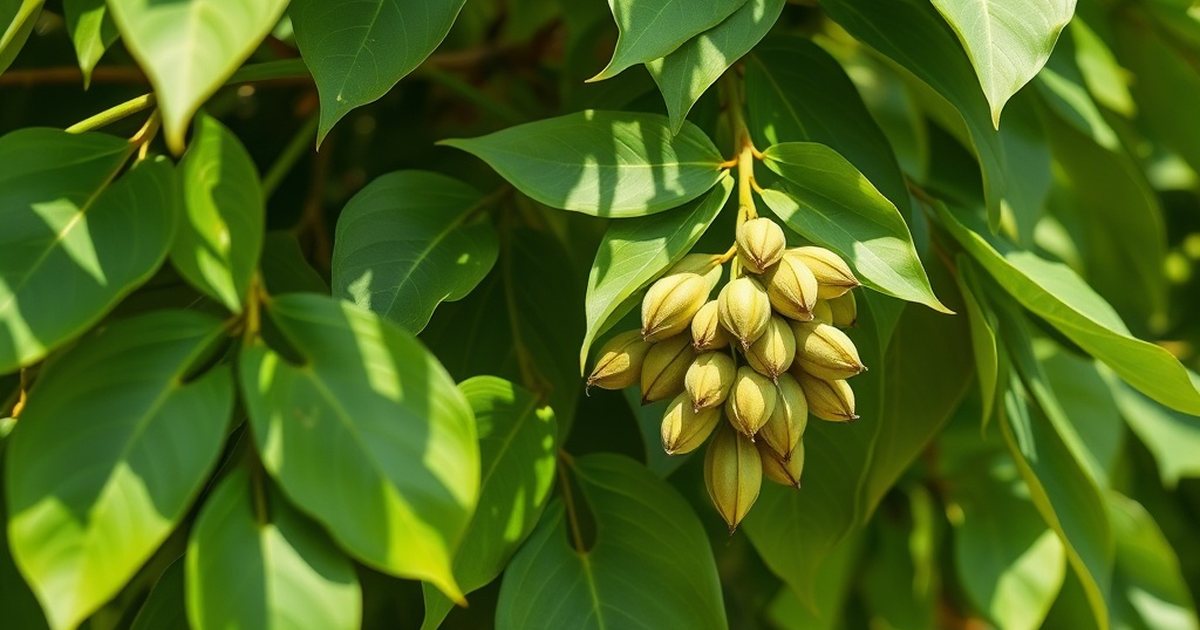
Moringa leaf powder is rich in chlorophyll and unsaturated compounds that oxidize over time, especially when exposed to light, heat, and oxygen. High-quality products are packaged in opaque, airtight bottles — ideally amber glass or HDPE plastic with a desiccant packet. Avoid clear plastic bottles or pouches without barrier properties.
The typical shelf life for properly dried and packaged moringa leaf powder is 18–24 months from the manufacture date. Over time, the powder fades from bright green to olive or brown, and the fresh, grassy aroma dulls or develops a hay-like note. These changes signal chlorophyll breakdown and potential oxidation of polyphenols. Always check the manufacture or “best by” date before purchasing, and store the bottle in a cool, dark place with the lid tightly sealed after each use.

🛒 Where to Buy Moringa (Moringa oleifera)
- CleanseParasites Intra-Cellular Superfood Editor’s Pick
Contains moringa leaf alongside sea moss, bladderwrack, black cumin seed, and other superfood ingredients. - Kuli Kuli Organic Moringa Powder
powder, 1 tsp (3g) — USDA organic, direct-sourced from smallholder farmers across Africa and India - Nature’s Way Moringa Leaf Capsules
capsules, 2 capsules (960mg) — Widely available mainstream supplement brand, whole-leaf capsules - Micro Ingredients Organic Moringa Leaf Powder
powder, 1 tsp (5g) — Budget-friendly bulk organic powder, third-party tested - Zint Moringa Leaf Powder
powder, 1 tbsp (7g) — Sourced from India, popular smoothie-add powder
As an Amazon Associate we earn from qualifying purchases. Quality varies widely — always choose a product with a published third-party test (COA) before buying.
A Note on the Evidence
Moringa leaf powder is a food-based supplement not evaluated by the FDA for safety or efficacy; research on clinical outcomes in humans is limited[2]. Pregnant individuals should avoid concentrated extracts and all root/bark preparations. Consult a healthcare professional before use if you have a medical condition or take medications.
Frequently Asked Questions
Is moringa leaf powder safe during pregnancy?
Food-grade moringa leaf powder in culinary amounts is generally considered safe, but concentrated supplemental doses and any root or bark preparations should be avoided during pregnancy due to documented uterine-stimulant effects of compounds in those plant parts. Consult a healthcare provider before using moringa supplements while pregnant.
What is the difference between moringa leaf powder and moringa extract?
Leaf powder is the whole dried leaf milled into powder, retaining the full matrix of fiber, nutrients, and phytochemicals. Extracts use solvents to concentrate specific compounds, which alters the natural ratio of constituents and may remove beneficial fiber. For general wellness, whole leaf powder is the more traditional and transparent form.

Can moringa capsules replace a multivitamin?
Moringa leaf powder provides a broad spectrum of vitamins and minerals, but the amounts per capsule are relatively small compared to a formulated multivitamin. It can complement a multivitamin or nutrient-dense diet but should not be relied upon as a sole source of essential micronutrients.
How can I tell if my moringa powder has gone bad?
Fresh moringa leaf powder is vibrant green with a fresh, grassy aroma. Fading to dull olive or brown, a stale or hay-like smell, clumping that doesn’t break up easily, or the presence of moisture in the bottle all indicate degradation. Discard if any of these signs appear.
Are there medication interactions with moringa leaf?
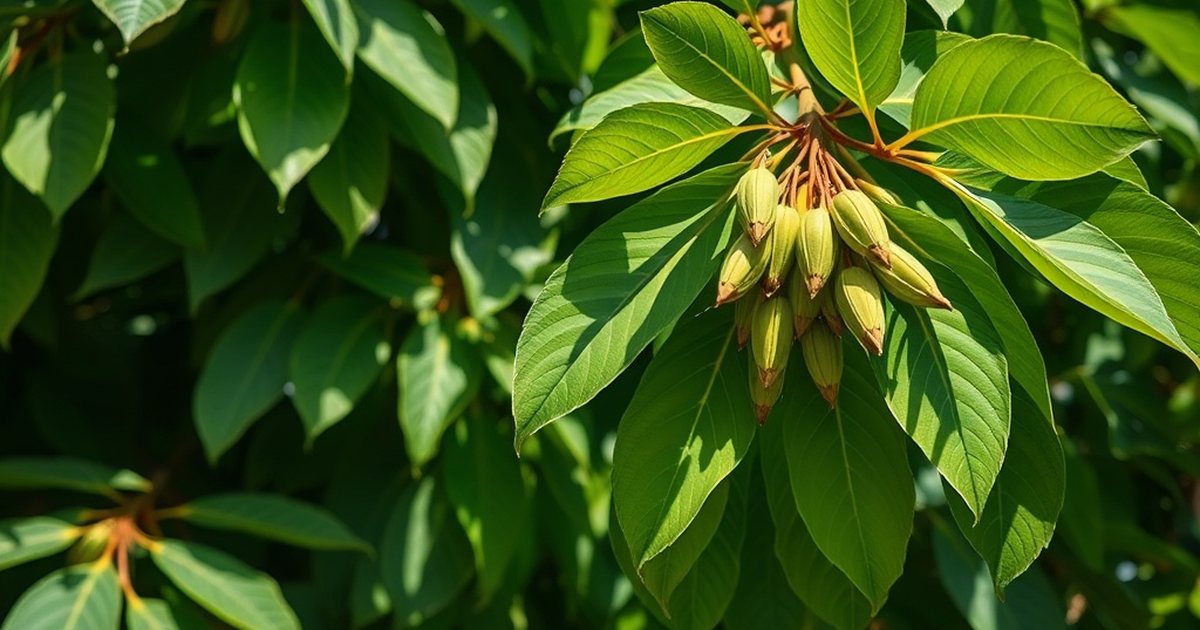
Moringa leaf may have mild effects on blood sugar and blood pressure[3][1] based on its phytochemical profile. Individuals taking medications for diabetes, hypertension, or thyroid conditions should consult a healthcare provider before adding moringa supplements, as additive effects are theoretically possible.
Does organic certification guarantee low heavy metals?
No. Organic certification restricts synthetic pesticide and fertilizer use but does not test for or guarantee low heavy metal content, which depends on soil and water conditions. Third-party heavy metal testing is the only way to verify low levels.
References
- Review of the Safety and Efficacy of Moringa oleifera. Phytotherapy Research (2015). PMID 25808883
- Moringa oleifera Lamk. as a Promising Adjunct Therapeutic Candidate: A Narrative Review of Human Studies and Published Case Reports. Drug Design, Development and Therapy (2026). PMID 41710586
- Moringa oleifera Leaf Supplementation as a Glycemic Control Strategy in Subjects with Prediabetes. Nutrients (2021). PMID 35010932
These statements have not been evaluated by the Food and Drug Administration. This information is not intended to diagnose, treat, cure, or prevent any disease. Content is for informational purposes only and is not medical advice; consult a qualified healthcare provider before starting any supplement. As an Amazon Associate we earn from qualifying purchases.
