Moringa oleifera leaf powder has gained popularity as a nutrient-dense whole food ingredient, offering vitamins A and C, calcium, potassium, and polyphenols such as quercetin and chlorogenic acid. Its proposed benefits center on antioxidant and mild anti-inflammatory activity from these plant compounds[1] rather than a single drug-like constituent.
Because the FDA does not evaluate dietary supplements for safety or efficacy before they reach the market, product quality varies widely. This guide outlines practical criteria — third-party testing, sourcing transparency, processing methods, and value metrics — to help you compare brands objectively.
Key Takeaways
- Moringa leaf powder is a whole-food ingredient rich in vitamins, minerals, and polyphenols; its mechanisms are antioxidant and anti-inflammatory from a complex matrix, not a single drug-like compound.
- Third-party testing (heavy metals, microbes, identity) is the most reliable quality signal — look for lot-specific CoAs from ISO 17025-accredited labs.
- Compare value by cost per gram of pure leaf powder; require transparent serving amounts and protective packaging.
- Avoid root/bark extracts and products making disease claims; pregnant individuals should avoid concentrated extracts and root/bark preparations.
- The FDA has not evaluated moringa leaf powder for safety or efficacy as a supplement; treat it as a dietary addition, not a treatment.
Understanding Moringa Leaf Powder as a Food Ingredient
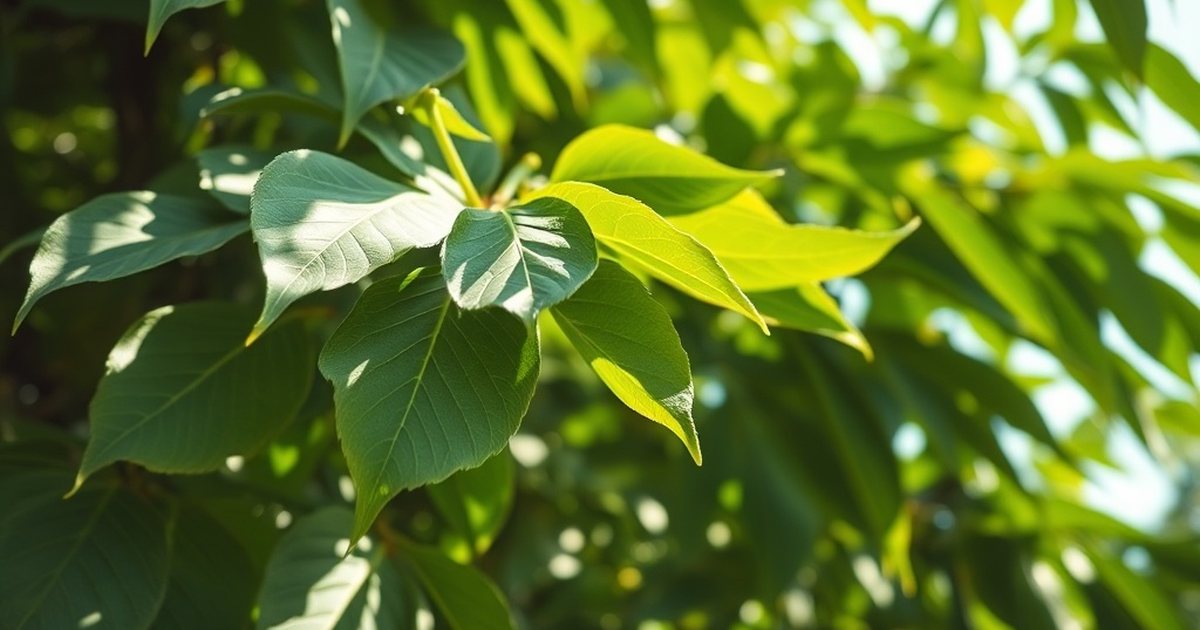
Moringa leaf powder is produced by drying and milling the leaves of the fast-growing tropical tree Moringa oleifera. The resulting powder retains a broad spectrum of nutrients and phytochemicals, including beta-carotene (provitamin A), vitamin C, calcium, potassium, and polyphenols such as quercetin and chlorogenic acid. These compounds contribute to the powder[2]‘s antioxidant capacity and are the basis for its proposed health-supportive mechanisms.
Unlike standardized herbal extracts that isolate a single marker compound, whole leaf powder delivers a complex matrix. This distinction matters for both expected effects and safety: food-grade leaf preparations are generally well-tolerated, while root and bark extracts contain alkaloids and other constituents with a higher risk profile, including documented uterine-stimulant activity in traditional use. Pregnant individuals should avoid concentrated extracts and root or bark preparations.
Why Third-Party Testing Matters for Botanical Powders
Botanical powders can vary in nutrient content, microbial load, and contaminant levels due to differences in soil, harvest timing, drying methods, and post-harvest handling. Third-party testing by accredited laboratories provides an independent check on identity, purity, strength, and composition. Reputable brands typically test for heavy metals (lead, arsenic, cadmium, mercury), microbial limits (total plate count, yeast, mold, coliforms, Salmonella, E. coli), and sometimes pesticide residues.

Look for certificates of analysis (CoAs) that are lot-specific, recent, and issued by an ISO 17025-accredited lab. Some brands publish CoAs directly on product pages or provide them upon request; others participate in certification programs such as NSF Certified for Sport, USP Verified, or ConsumerLab. Absence of accessible testing data is a reasonable basis for deprioritizing a brand.
Sourcing, Processing, and Form Factors
Moringa is cultivated in tropical and subtropical regions worldwide. Transparent brands disclose country of origin, whether the leaves are shade-dried or low-temperature dried (to preserve heat-sensitive nutrients like vitamin C), and whether stems are removed before milling (stems dilute nutrient density). Organic certification adds a layer of oversight for pesticide and synthetic fertilizer avoidance.
Moringa is sold as loose powder, capsules, and tablets. Powders offer dosing flexibility and lower cost per gram but have a strong, grassy flavor. Capsules and tablets improve palatability and convenience; check for unnecessary fillers, binders, or coating agents. Serving size varies — typically 1–2 teaspoons (2–5 grams) of powder daily — so compare cost per gram of pure leaf powder rather than per bottle.
Evaluating Value: Cost per Gram, Serving Transparency, and Packaging
Value comparison starts with cost per gram of moringa leaf powder. Divide the product price by the net weight in grams. For capsules, calculate the total leaf powder per bottle (capsule count × milligrams per capsule ÷ 1000) and then cost per gram. Brands that list the exact milligrams of moringa per capsule enable this math; proprietary blends that hide the amount do not.
Packaging affects shelf life. Opaque, resealable pouches or amber glass jars with moisture-barrier liners protect chlorophyll and polyphenols from light and oxygen degradation. A best-by date and lot number on the label support traceability. Bulk buyers should verify storage recommendations — cool, dry, sealed — to maintain quality over time.

Red Flags and Marketing Claims to Question
Be cautious of claims that moringa ‘cures,’ ‘treats,’ or ‘prevents’ any disease. The FDA has not evaluated moringa leaf powder for safety or efficacy as a supplement. Structure/function claims such as ‘supports antioxidant defenses’ or ‘provides essential nutrients’ are permissible when truthful and not misleading, but they do not equate to clinical proof of health outcomes.
Other red flags include: absence of third-party testing data, vague sourcing (‘sourced globally’), proprietary blends that obscure the moringa amount, excessive pricing justified by ‘superfood’ branding alone, and recommendations to consume root or bark preparations. Food-grade leaf powder is the appropriate form for routine dietary use.
Practical Checklist for Comparing Brands
Use this checklist when evaluating products: (1) Is the ingredient 100% Moringa oleifera leaf powder with no added fillers? (2) Does the brand provide recent, lot-specific CoAs from an accredited lab covering heavy metals and microbiology? (3) Is the country of origin and drying method disclosed? (4) Is the product certified organic by a recognized body? (5) Does the label list the exact amount per serving (grams for powder, milligrams per capsule)? (6) Is packaging protective (opaque, moisture-resistant)? (7) Is the cost per gram competitive for the quality tier? (8) Does the brand avoid disease claims and root/bark ingredients?
No single brand will be optimal for every buyer. Some prioritize organic certification and published CoAs at a higher price point; others offer acceptable testing transparency at lower cost. Your priorities — budget, flavor tolerance, capsule convenience, organic preference — will determine the best fit. Treat moringa as a nutrient-dense food addition, not a therapeutic agent, and consult a healthcare professional if you have underlying conditions or take medications.

🛒 Where to Buy Moringa (Moringa oleifera)
- CleanseParasites Intra-Cellular Superfood Editor’s Pick
Contains moringa leaf alongside sea moss, bladderwrack, black cumin seed, and other superfood ingredients. - Kuli Kuli Organic Moringa Powder
powder, 1 tsp (3g) — USDA organic, direct-sourced from smallholder farmers across Africa and India - Nature’s Way Moringa Leaf Capsules
capsules, 2 capsules (960mg) — Widely available mainstream supplement brand, whole-leaf capsules - Micro Ingredients Organic Moringa Leaf Powder
powder, 1 tsp (5g) — Budget-friendly bulk organic powder, third-party tested - Zint Moringa Leaf Powder
powder, 1 tbsp (7g) — Sourced from India, popular smoothie-add powder
As an Amazon Associate we earn from qualifying purchases. Quality varies widely — always choose a product with a published third-party test (COA) before buying.
A Note on the Evidence
Moringa leaf powder is a food ingredient, not an FDA-evaluated supplement for treating any condition. Evidence for specific health outcomes in humans is limited. Pregnant individuals should avoid root, bark, and concentrated extracts. Consult a healthcare professional before use if you have a medical condition or take medications.
Frequently Asked Questions
Is moringa leaf powder safe for daily use?
Food-grade moringa leaf powder is generally well-tolerated as a dietary ingredient. Root and bark preparations contain alkaloids with a higher risk profile and documented uterine-stimulant effects; these should be avoided, especially during pregnancy.
How do I know if a brand's third-party testing is legitimate?
Legitimate testing is lot-specific, recent, performed by an ISO 17025-accredited laboratory, and covers heavy metals (lead, arsenic, cadmium, mercury) and microbial limits. Certifications like NSF Certified for Sport, USP Verified, or ConsumerLab add credibility.

What is a fair price for quality moringa powder?
Prices vary by sourcing, organic status, and testing transparency. Calculate cost per gram of pure leaf powder (price ÷ net grams). Products with published CoAs and organic certification typically command a premium over untested bulk powders.
Can moringa replace a multivitamin?
Moringa provides a range of vitamins and minerals but in variable amounts depending on growing and processing conditions. It should not be considered a complete or standardized replacement for a formulated multivitamin without lab-verified nutrient analysis per lot.
Does moringa interact with medications?
Moringa leaf powder contains vitamin K and may have mild effects on blood sugar and blood pressure[3][1]. Individuals on anticoagulants, diabetes medications, or antihypertensives should consult a healthcare provider before adding moringa to their routine.
What is the best way to store moringa powder?
Store in an opaque, airtight container in a cool, dry place away from direct sunlight. Exposure to light, heat, and moisture degrades chlorophyll, vitamin C, and polyphenols over time.
References
- Review of the Safety and Efficacy of Moringa oleifera. Phytotherapy Research (2015). PMID 25808883
- Micronutrient composition and acceptability of Moringa oleifera leaf-fortified dishes by children in Ada-East district, Ghana. Food Science and Nutrition (2017). PMID 28265366
- Moringa oleifera Leaf Supplementation as a Glycemic Control Strategy in Subjects with Prediabetes. Nutrients (2021). PMID 35010932
These statements have not been evaluated by the Food and Drug Administration. This information is not intended to diagnose, treat, cure, or prevent any disease. Content is for informational purposes only and is not medical advice; consult a qualified healthcare provider before starting any supplement. As an Amazon Associate we earn from qualifying purchases.
