Moringa oleifera is a fast-growing tropical tree, and the powder most people encounter in supplement form comes from its leaves, not its roots or bark. The process is mechanically simple, harvest, dry, grind, sift, package, but the details of each step matter a lot for the nutrient content and safety of the final product.
This article walks through that process honestly: what happens at each stage, why drying method and temperature matter, and where the real quality differences between products come from. It’s informational only, not medical advice, and it does not evaluate any brand’s specific manufacturing claims.
Key Takeaways
- Moringa powder is made through harvesting, washing, drying, milling, and sifting, leaf material only, not root or bark.
- Drying method (sun vs. shade vs. mechanical/freeze-drying) is the single biggest factor affecting nutrient and pigment retention, since heat and UV exposure degrade sensitive compounds like quercetin and chlorogenic acid.
- There’s no industry-wide manufacturing standard, so product quality varies significantly between brands even when labels look similar.
- The FDA has not evaluated moringa leaf powder for safety or efficacy, so quality control depends on individual manufacturers’ practices, not federal pre-market review.
- Root and bark preparations carry a distinct, higher risk profile than leaf powder, including compounds pregnant individuals should avoid entirely.
Step 1: Harvesting the Leaves
Moringa trees are typically grown in tropical and subtropical regions, including parts of India, Africa, and Southeast Asia, because the tree tolerates heat and poor soil well and produces usable leaf growth within months of planting. Producers usually harvest the smaller, tender leaflets rather than the thicker stems, since the leaflets are what gets processed into powder.
Harvest timing affects the finished product. Leaves picked at different growth stages can vary in moisture content and pigment, which in turn affects how they dry and how green the final powder looks. None of this is standardized across the industry, so leaf sourcing and harvest practices vary a lot between suppliers.
Step 2: Washing and Sorting
After harvest, leaves are typically washed to remove field dirt, insects, and debris, then sorted to separate leaflets from stems and any damaged or discolored material. This step is mostly about cleanliness and consistency rather than nutrition, but poor sorting can leave woody stem fragments in the final powder, which affects texture and can dilute the leaf-specific nutrient profile.

Some producers also inspect for mold or spoilage at this stage, since tropical harvest and processing environments are humid and leaves can degrade quickly if not moved into drying promptly.
Step 3: Drying, the Step That Matters Most
Drying is arguably the most consequential step in the entire process, because heat and light exposure degrade some of moringa’s heat-sensitive compounds, including certain vitamins and polyphenols like quercetin and chlorogenic acid. Producers use a few different drying methods: sun drying (cheap but exposes leaves to UV light and inconsistent heat), shade drying (slower but gentler), and mechanical dehydration or freeze-drying (more controlled temperature and faster turnaround, but more expensive).
Shade-drying and low-temperature mechanical drying are generally considered to better preserve the leaf’s original nutrient and pigment profile compared to direct sun exposure, simply because less heat and UV exposure means less degradation of light- and heat-sensitive compounds. Controlled comparisons bear this out: across freeze-, air-, sun- and oven-drying, the method changed the leaf’s measured phenolic and vitamin content, with the gentler methods retaining the most[1], and a dehydration study measuring carotenoids, tocopherols and ascorbic acid found retention varied sharply by method and by nutrient[2]. This is a mechanistic point about food chemistry rather than a specific clinical finding, and exact nutrient retention depends on the batch, humidity, and exact drying time, which are rarely disclosed by retail brands.
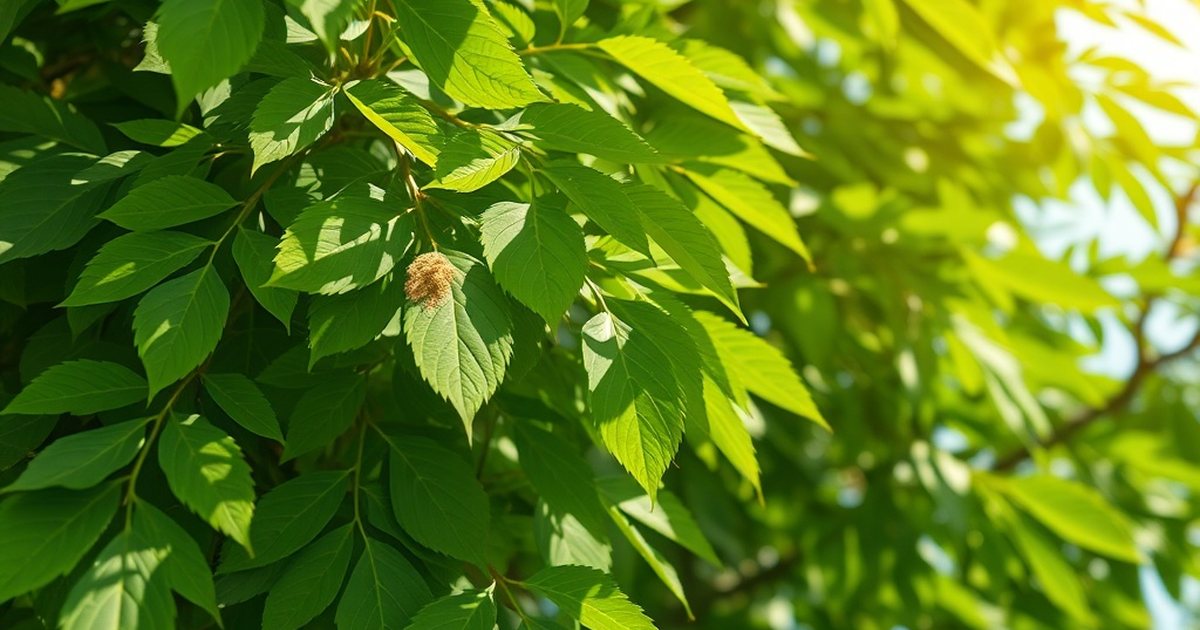
There is no universal industry standard dictating which drying method must be used, so the same species and even the same farm can yield noticeably different-looking (and likely different-tasting) powders depending on how the leaves were dried.
Step 4: Milling and Sifting Into Powder
Once dried, leaves are milled, usually in a hammer mill or similar grinder, into a fine powder. This is then passed through a sieve to remove any remaining coarse stem fragments or fibrous material, producing the smooth, uniform texture typical of retail moringa powder.

Particle size affects both the texture (grittier vs. smoother in water or smoothies) and, to some degree, how easily the powder disperses in liquid. Beyond texture, milling itself doesn’t add or remove nutrients, it’s mainly a physical processing step that determines mouthfeel and packaging consistency.
Step 5: Quality Control and Packaging
Reputable producers test finished batches for contaminants such as heavy metals, microbial load, and pesticide residue, since leafy crops grown in open fields can pick up soil contaminants. It’s worth noting that the FDA has not evaluated moringa leaf powder for safety or efficacy as a dietary supplement, so there is no federal pre-market review of finished-product quality the way there is for approved drugs; oversight instead relies on general food-safety and supplement manufacturing regulations, which vary in how rigorously they’re enforced.
Because there’s no ingredient standardization requirement, two products both labeled ‘100% moringa leaf powder’ can differ meaningfully in freshness, drying method, particle size, and contaminant testing rigor, none of which is visible from the label’s nutrition panel alone.
Finished powder is typically packaged in airtight, light-blocking containers to slow further degradation from oxygen, moisture, and light exposure during storage and shipping.
Leaf Powder vs. Root and Bark Preparations
It’s important to distinguish moringa leaf powder, the food-grade product covered in this article, from root and bark extracts, which are a different category entirely. Root and bark preparations contain compounds, including vermifuge alkaloids, with a distinct and higher risk profile than leaf powder, and root/bark preparations have documented uterine-stimulant use in traditional medicine.
Pregnant individuals should avoid concentrated extracts and root or bark preparations specifically. This caution does not equate to a blanket statement about food-grade leaf powder, but it’s a distinction worth understanding before assuming all ‘moringa products’ carry the same risk profile.

🛒 Where to Buy Moringa (Moringa oleifera)
- CleanseParasites Intra-Cellular Superfood Editor’s Pick
Contains moringa leaf alongside sea moss, bladderwrack, black cumin seed, and other superfood ingredients. - Kuli Kuli Organic Moringa Powder
powder, 1 tsp (3g) — USDA organic, direct-sourced from smallholder farmers across Africa and India - Nature’s Way Moringa Leaf Capsules
capsules, 2 capsules (960mg) — Widely available mainstream supplement brand, whole-leaf capsules - Micro Ingredients Organic Moringa Leaf Powder
powder, 1 tsp (5g) — Budget-friendly bulk organic powder, third-party tested - Zint Moringa Leaf Powder
powder, 1 tbsp (7g) — Sourced from India, popular smoothie-add powder
As an Amazon Associate we earn from qualifying purchases. Quality varies widely — always choose a product with a published third-party test (COA) before buying.
A Note on the Evidence
This article describes manufacturing practice rather than clinical evidence of benefit, so nothing here should be read as a health claim. The processing points are sourced: controlled dehydration studies show drying method measurably changes what survives in the finished leaf[2][1], and drying setup also affects microbial load[3]. This is informational content, not medical advice; talk to a doctor before using moringa products, especially if pregnant, nursing, or on medication.
Frequently Asked Questions
Is moringa powder made from the whole plant?
No, high-quality moringa supplement powder is made specifically from the leaves. Root and bark material is a separate category with a different chemical and risk profile and is not what’s used in standard food-grade leaf powder.
Does sun-drying ruin moringa's nutrients?
Sun-drying doesn’t destroy all nutrients, but it exposes leaves to more heat and UV light than shade-drying or mechanical dehydration, which can degrade some heat- and light-sensitive compounds. Shade or controlled mechanical drying is generally considered gentler on the leaf’s original profile.

Is moringa powder regulated by the FDA?
The FDA has not evaluated moringa leaf powder for safety or efficacy as a supplement. It’s regulated under general dietary supplement and food-safety rules rather than the pre-market approval process used for drugs.
Why do different brands of moringa powder look different colors?
Color differences usually come down to drying method and leaf freshness at harvest. Brighter green typically suggests gentler, lower-heat drying, while duller or browner powder often indicates more heat or light exposure during processing.
Is moringa powder safe during pregnancy?
Food-grade leaf powder and concentrated root/bark extracts are not the same risk category. Root and bark preparations have documented uterine-stimulant use in traditional medicine and should be avoided during pregnancy; anyone pregnant should discuss any moringa product with a doctor before use.
What should I look for to judge moringa powder quality?
Since there’s no industry standard, look for basics like third-party contaminant testing (heavy metals, microbial load), clear sourcing information, and packaging that blocks light and air. None of these guarantee potency, but their absence is a red flag.
References
- Drying alters the phenolic constituents, antioxidant properties, α-amylase, and α-glucosidase inhibitory properties of Moringa (Moringa oleifera) leaf. Food Sci Nutr, 2018
- Effect of dehydration methods on retention of carotenoids, tocopherols, ascorbic acid and antioxidant activity in Moringa oleifera leaves and preparation of a RTE product. J Food Sci Technol, 2014
- The antioxidant properties and microbial load of Moringa oleifera leaves dried using a prototype convective air-dryer. Saudi J Biol Sci, 2022
These statements have not been evaluated by the Food and Drug Administration. This information is not intended to diagnose, treat, cure, or prevent any disease. Content is for informational purposes only and is not medical advice; consult a qualified healthcare provider before starting any supplement. As an Amazon Associate we earn from qualifying purchases.
