Moringa oleifera leaves contain a complex mixture of polyphenols, flavonoids, and isothiocyanates that demonstrate antioxidant activity in laboratory and animal studies. These compounds include quercetin, chlorogenic acid, and various flavonoid glycosides that contribute to the plant’s observed effects on oxidative stress markers.
Research indicates that Moringa leaf extracts operate through both direct free radical scavenging and indirect upregulation of endogenous antioxidant defense systems. The following review examines the proposed mechanisms and the current preclinical evidence base, while noting the absence of human clinical trials evaluating these effects.
Key Takeaways
- Moringa oleifera leaves contain polyphenols (quercetin, chlorogenic acid) and isothiocyanates that demonstrate both direct radical scavenging and indirect antioxidant effects via Nrf2/HO-1 pathway activation in preclinical models.
- Hot water and ethanolic leaf extracts protect against oxidative stress-induced mitochondrial dysfunction and apoptosis in cell and animal models, regulating Bcl-2/Bax balance and caspase activity.
- Anti-inflammatory and antioxidant effects are co-observed in arthritis and diabetic animal models, suggesting interruption of the ROS-inflammation cycle.
- Extraction method, harvest time, and plant part significantly affect phytochemical yield and antioxidant capacity, highlighting standardization challenges for commercial products.
- Human clinical data on oxidative stress reduction from Moringa leaf powder are absent; current evidence is limited to in vitro and animal studies.
Polyphenol and Flavonoid Profile Underlying Antioxidant Activity
Moringa oleifera leaves are rich in phenolic compounds, including flavonoids such as quercetin and kaempferol glycosides, as well as phenolic acids like chlorogenic acid. A study of leaves grown in Southern Brazil identified and isolated several phenolic compounds with demonstrated antioxidant activity using DPPH and ABTS radical scavenging assays [1]. The specific composition varies by geographic origin, harvest time, and extraction method, which influences the overall antioxidant capacity of the resulting preparation.
Comparative analysis of polyphenol- and isothiocyanate-enriched fractions from Moringa leaves revealed that both fraction types contribute to antioxidant activity through distinct mechanisms. The polyphenol-rich fraction exhibited strong direct radical scavenging capacity, while the isothiocyanate-enriched fraction demonstrated indirect antioxidant effects by inducing phase II detoxification enzymes [2]. This dual mechanism suggests that the whole leaf matrix may provide complementary antioxidant actions.

Advanced extraction techniques, such as deep eutectic solvents, have been shown to efficiently recover flavonoids from Moringa leaves with excellent antioxidant activity preserved through microencapsulation [3]. Collection time also affects phytochemical yield; leaves harvested at different growth stages show variation in total phenolic content and corresponding antioxidant capacity, highlighting the importance of standardization for consistent product quality.
Nrf2/HO-1 Pathway Activation and Endogenous Antioxidant Induction
A key mechanism by which Moringa leaf extracts reduce oxidative stress involves activation of the nuclear factor erythroid 2-related factor 2 (Nrf2) signaling pathway. In Vero cells exposed to hydrogen peroxide-induced oxidative stress, Moringa oleifera hot water extract pretreatment increased cell viability and reduced reactive oxygen species (ROS) production by upregulating Nrf2 and its downstream target heme oxygenase-1 (HO-1) [4]. This pathway regulates the expression of numerous antioxidant and cytoprotective genes.
The Nrf2/HO-1 axis activation by Moringa extract was associated with modulation of mitochondria-mediated apoptotic pathways, including regulation of Bcl-2, Bax, and caspase-3 expression [4]. By preserving mitochondrial membrane potential and reducing cytochrome c release, the extract attenuated oxidative stress-induced apoptosis. This suggests that beyond direct radical scavenging, Moringa compounds enhance cellular resilience through transcriptional regulation of defense systems.
Similar Nrf2-mediated protective effects have been observed in animal models of toxin-induced oxidative stress. In Nile tilapia exposed to the pesticide pendimethalin, Moringa oleifera leaf extract supplementation restored antioxidant enzyme activities (superoxide dismutase, catalase, glutathione peroxidase) and reduced lipid peroxidation, effects consistent with Nrf2 pathway activation [5]. Parallel findings were reported in fish exposed to abamectin, where ethanolic leaf extract mitigated oxidative stress and immune disruption [6].
Mitochondrial Protection and Apoptotic Pathway Modulation
Mitochondria are both major sources and targets of oxidative stress. Moringa leaf extract has demonstrated capacity to protect mitochondrial function under oxidative challenge. In the Vero cell model, hydrogen peroxide exposure caused mitochondrial membrane depolarization and triggered the intrinsic apoptotic pathway; Moringa hot water extract pretreatment preserved mitochondrial integrity and regulated the balance of pro- and anti-apoptotic proteins [4].

The extract’s effect on mitochondrial apoptosis involved upregulation of Bcl-2 (anti-apoptotic) and downregulation of Bax (pro-apoptotic), leading to reduced caspase-3 activation [4]. This mitochondrial stabilization represents a critical mechanism for preventing oxidative stress-induced cell death, particularly in tissues with high metabolic demand.
In a diabetic rat model, Moringa oleifera administration attenuated diabetes-induced hepatic damage, which included improvements in mitochondrial oxidative stress markers and lipid profiles [7]. The hepatoprotective effect was accompanied by reduced serum transaminases and restored antioxidant enzyme activities, suggesting systemic mitigation of oxidative stress that extends to mitochondrial preservation in metabolic disease contexts.
Anti-Inflammatory and Oxidative Stress Modulation in Disease Models
Oxidative stress and inflammation are interlinked processes, and Moringa leaf extracts have been studied in models where both pathways are activated. In a Complete Freund’s adjuvant-induced arthritis model in Wistar rats, Moringa rivae leaf extracts significantly reduced paw edema and modulated inflammatory biomarkers (TNF-α, IL-1β, IL-6) while simultaneously improving oxidative stress markers including malondialdehyde (MDA), glutathione (GSH), and superoxide dismutase (SOD) activity [8]. A correction note confirms the reported findings [9].
The dual modulation of inflammatory and oxidative stress pathways suggests that Moringa’s bioactive compounds may interrupt the feed-forward cycle where ROS promote inflammation and inflammatory mediators increase ROS production. In the arthritis model, the extract’s effects on oxidative stress biomarkers correlated with histological improvements in joint tissue [8].

In diabetic rats, Moringa oleifera leaf extract demonstrated antihyperlipidemic and anti-inflammatory activity alongside its antioxidant effects, reducing serum triglycerides, total cholesterol, and LDL while increasing HDL [7]. The extract also lowered inflammatory cytokines (TNF-α, IL-6) in hepatic tissue. These findings indicate that in metabolic disease models, antioxidant activity coincides with broader metabolic and anti-inflammatory improvements.
Comparative Extraction Methods and Bioavailability Considerations
The antioxidant capacity of Moringa leaf preparations varies significantly with extraction solvent and technique. Hot water extraction, which mimics traditional tea preparation, yields extracts with demonstrated cellular antioxidant activity via Nrf2/HO-1 signaling [4]. Ethanolic extraction recovers different compound profiles, including more lipophilic flavonoids, and has shown efficacy in fish toxicity models [6].
Deep eutectic solvents represent a novel, green chemistry approach that efficiently extracts flavonoids with high antioxidant activity preserved through microencapsulation [3]. This method may improve stability and bioavailability of sensitive polyphenols compared to conventional solvents. However, the bioavailability of Moringa polyphenols in humans remains understudied; most evidence derives from in vitro assays and animal models with direct extract administration.
Collection time and plant part also influence phytochemical content. A comparative study of leaves harvested at different times found variation in total phenolic content, flavonoid composition, and corresponding antioxidant and anti-inflammatory activities [3]. This variability underscores the need for standardized cultivation and processing practices to ensure consistent antioxidant capacity in commercial products.

Limitations of Current Evidence and Research Gaps
The current evidence base for Moringa’s antioxidant mechanisms is almost entirely preclinical, comprising in vitro cell studies and animal models (rodents, fish). No human clinical trials measuring oxidative stress biomarkers or clinical endpoints related to antioxidant capacity are included in the provided evidence. Translation of effective doses from animal models to humans is uncertain due to metabolic differences and lack of pharmacokinetic data.
Most studies use crude extracts or enriched fractions rather than the dried leaf powder commonly consumed as a food product. The matrix effects of whole leaf powder—including fiber, protein, and mineral content—on polyphenol bioavailability and activity are not well characterized. Additionally, the relative contribution of individual compounds (quercetin, chlorogenic acid, isothiocyanates) versus synergistic effects of the whole extract remains incompletely defined.
Long-term safety data for concentrated Moringa leaf extracts are limited. While food-grade leaf preparations are generally well-tolerated, the root and bark contain distinct alkaloids with uterine stimulant properties and higher risk profiles, particularly for pregnant individuals. The provided evidence does not address chronic consumption safety or potential interactions with medications metabolized by antioxidant enzyme systems.
🛒 Where to Buy Moringa (Moringa oleifera)
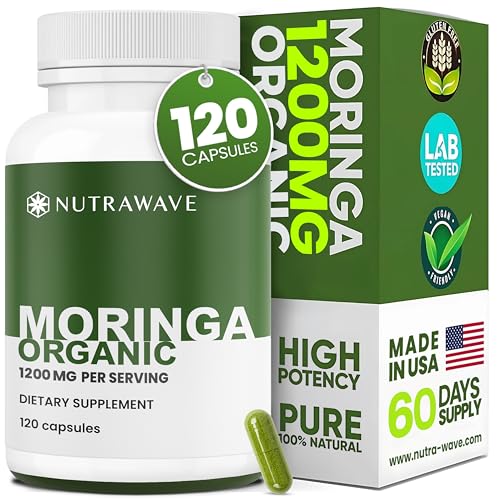
- CleanseParasites Intra-Cellular Superfood Editor’s Pick
Contains moringa leaf alongside sea moss, bladderwrack, black cumin seed, and other superfood ingredients. - Kuli Kuli Organic Moringa Powder
powder, 1 tsp (3g) — USDA organic, direct-sourced from smallholder farmers across Africa and India - Nature’s Way Moringa Leaf Capsules
capsules, 2 capsules (960mg) — Widely available mainstream supplement brand, whole-leaf capsules - Micro Ingredients Organic Moringa Leaf Powder
powder, 1 tsp (5g) — Budget-friendly bulk organic powder, third-party tested - Zint Moringa Leaf Powder
powder, 1 tbsp (7g) — Sourced from India, popular smoothie-add powder
As an Amazon Associate we earn from qualifying purchases. Quality varies widely — always choose a product with a published third-party test (COA) before buying.
A Note on the Evidence
The antioxidant mechanisms described are based on preclinical (cell and animal) studies; human clinical evidence is lacking. Moringa root and bark contain distinct alkaloids with uterine stimulant effects—pregnant individuals should avoid these parts and concentrated extracts. This information is not food-grade preparations. Consult a healthcare provider before using Moringa supplements, especially if taking medications or managing a health condition.
Frequently Asked Questions
What are the main antioxidant compounds in Moringa oleifera leaves?
Moringa leaves contain flavonoids (quercetin, kaempferol glycosides), phenolic acids (chlorogenic acid), and isothiocyanates. These compounds contribute to both direct free radical scavenging and indirect upregulation of endogenous antioxidant enzymes [1][2].
How does Moringa leaf extract activate the Nrf2/HO-1 pathway?
In Vero cells, Moringa hot water extract increased Nrf2 nuclear translocation and HO-1 expression, reducing hydrogen peroxide-induced ROS and apoptosis. This transcriptional activation enhances cellular antioxidant defenses [4].
Does Moringa protect mitochondria from oxidative damage?
Yes, preclinical studies show Moringa extract preserves mitochondrial membrane potential, regulates Bcl-2/Bax ratio, and inhibits caspase-3 activation under oxidative stress, preventing intrinsic apoptosis [4].

Are there human studies confirming Moringa's antioxidant effects?
No human clinical trials measuring oxidative stress biomarkers or clinical outcomes are included in the current evidence base. All cited studies are in vitro or animal models (rats, fish) [4][7][8].
Does extraction method affect Moringa's antioxidant capacity?
Yes. Hot water, ethanol, and deep eutectic solvent extractions yield different phytochemical profiles and antioxidant activities. Harvest time also influences phenolic content and bioactivity [3][4][6].
Is Moringa leaf powder safe for everyone as an antioxidant supplement?
Food-grade leaf powder is generally well-tolerated, but pregnant individuals should avoid concentrated extracts and root/bark preparations due to documented uterine stimulant alkaloids. Long-term safety of high-dose extracts is not established. Consult a healthcare provider before supplement use.
References
- Oldoni TLC et al. Antihyperglycemic activity of crude extract and isolation of phenolic compounds with antioxidant activity from Moringa oleifera Lam. leaves grown in Southern Brazil. Food research international (Ottawa, Ont.) (2021). PMID 33641964
- Tumer TB et al. Direct and indirect antioxidant activity of polyphenol- and isothiocyanate-enriched fractions from Moringa oleifera. Journal of agricultural and food chemistry (2015). PMID 25605589
- Baldisserotto A et al. Multifunctional Profiling of Moringa oleifera Leaf Extracts for Topical Application: A Comparative Study of Different Collection Time. Antioxidants (Basel, Switzerland) (2023). PMID 36829968
- Kirindage KGIS et al. Moringa oleifera Hot Water Extract Protects Vero Cells from Hydrogen Peroxide-Induced Oxidative Stress by Regulating Mitochondria-Mediated Apoptotic Pathway and Nrf2/HO-1 Signaling. Foods (Basel, Switzerland) (2022). PMID 35159570
- Hamed HS et al. Antioxidant activities of Moringa oleifera leaf extract against pendimethalin-induced oxidative stress and genotoxicity in Nile tilapia, Oreochromis niloticus (L.). Fish physiology and biochemistry (2019). PMID 29982916
- Reda RM et al. The potential effect of Moringa oleifera ethanolic leaf extract against oxidative stress, immune response disruption induced by abamectin exposure in Oreochromis niloticus. Environmental science and pollution research international (2023). PMID 36988803
- Omodanisi EI et al. Hepatoprotective, Antihyperlipidemic, and Anti-inflammatory Activity of Moringa oleifera in Diabetic-induced Damage in Male Wistar Rats. Pharmacognosy research (2017). PMID 28539743
- Saleem A et al. Moringa rivae leaf extracts attenuate Complete Freund's adjuvant-induced arthritis in Wistar rats via modulation of inflammatory and oxidative stress biomarkers. Inflammopharmacology (2020). PMID 31037575
- Saleem A et al. Correction to: Moringa oleifera leaf extracts attenuate Complete Freund's adjuvant-induced arthritis in Wistar rats via modulation of inflammatory and oxidative stress biomarkers. Inflammopharmacology (2020). PMID 31485833
These statements have not been evaluated by the Food and Drug Administration. This information is not intended to diagnose, treat, cure, or prevent any disease. Content is for informational purposes only and is not medical advice; consult a qualified healthcare provider before starting any supplement. As an Amazon Associate we earn from qualifying purchases.
