Moringa oleifera leaf powder is often marketed as an immune booster, and there’s a real biological rationale behind the claim: the leaves are dense in vitamins A and C, polyphenols like quercetin and chlorogenic acid, and other plant compounds with antioxidant and mild anti-inflammatory activity. Antioxidant and anti-inflammatory pathways intersect with immune signaling, so it’s reasonable to ask whether moringa does something measurable to immune function.
The honest answer is that most of the direct evidence on moringa and immunity comes from cell studies, animal models (fish, poultry, sheep, rabbits, mice), and a handful of mechanistic or in vitro human cell experiments, not large human clinical trials. This article walks through what’s actually been studied, what it does and doesn’t show, and where the real uncertainty lies.
Key Takeaways
- Moringa leaf contains vitamins, minerals, and polyphenols (quercetin, chlorogenic acid) with antioxidant and mild anti-inflammatory activity, which is the proposed basis for immune-related claims [1]
- Most direct immune research on moringa comes from animal (poultry, fish, sheep, rabbits, mice) and in vitro human cell studies, not large human clinical trials
- Specific isolated moringa compounds, like a seed lectin and plant microRNAs, show immunomodulatory activity in laboratory settings [2][3]
- Emerging research explores moringa’s immune-related role in cancer biology, but this is early-stage mechanistic work, not evidence of a treatment effect in humans [4][5]
- There is no strong human clinical evidence that moringa supplementation meaningfully boosts immune function or reduces infection risk in people
What's actually in moringa that could affect immunity
Moringa leaf preparations contain a mix of vitamins, minerals, and polyphenolic compounds, and a 2015 review of moringa’s safety and efficacy summarized the plant’s nutritional profile and traditional uses, noting that much of the pharmacological interest centers on these polyphenols and their antioxidant capacity rather than a single isolated drug-like active ingredient [1].

Beyond polyphenols, moringa also contains other bioactive constituents that have been studied more narrowly. For example, researchers have isolated a water-soluble lectin from moringa seeds (WSMoL) and tested it directly on human peripheral blood mononuclear cells (PBMCs), finding it modulated immune cell activity in vitro [2]. Separately, plant-derived microRNAs from moringa have been studied for their potential to interact with immune signaling pathways relevant to viral infection, including HIV, in laboratory research [3]. These are distinct compounds studied in distinct experimental systems, and none of this establishes that eating moringa powder delivers the same effects seen with an isolated seed lectin or purified microRNA fraction.
Animal and livestock studies: where most of the immune data comes from
The bulk of moringa immune research to date has been conducted in livestock and aquaculture settings, largely because moringa is inexpensive and widely available as a feed additive in regions where it grows. A review of moringa as a natural feed supplement in poultry diets found associations between moringa supplementation and measures of immune response and growth performance in chickens [6], and a broader review of moringa as a multifunctional livestock feed additive described proposed synergistic nutritional and immunomodulatory mechanisms across species [7].
In aquaculture, moringa leaf extract combined with a probiotic (Lactobacillus acidophilus) was studied in whiteleg shrimp, with researchers reporting effects on growth performance, gut microbiota, immune response markers, and disease resistance [8]. In tilapia, moringa leaf extract was studied for its ability to offset oxidative stress and immune disruption caused by exposure to the pesticide abamectin [9]. These studies point to moringa having measurable biological activity on immune parameters in animal systems, but livestock and fish physiology, dosing, and exposure conditions differ substantially from a human taking a moringa supplement, so these results should be read as mechanistic and agricultural evidence, not as proof of a specific human immune benefit.

Moringa and infection or parasite challenge models
Several studies have looked at moringa’s immunomodulatory effects in the context of parasitic or infectious challenge. In sheep naturally co-infected with the liver fluke Fasciola gigantica and the bacterium Clostridium novyi, an aqueous extract of moringa leaves was tested for immunomodulatory effects, with researchers reporting changes in immune parameters in the treated animals [10].
In rabbits, moringa oleifera leaves (alongside Vernonia amygdalina) were tested for anticoccidial activity and immune response against Eimeria species, common intestinal parasites in rabbit farming, with the study reporting in vivo effects on both parasite burden and immune markers [11]. Separately, moringa seed oil extract was tested in mice infected with the parasitic worm Schistosoma mansoni, with researchers evaluating effects relevant to the immune response to that infection [12]. These infection-model studies are useful for understanding moringa’s biological activity under specific challenge conditions, but they were conducted in animals with specific parasite or bacterial exposures and don’t translate directly into claims about human infection resistance or general immune support.
Cancer-related immune research
A more recent area of interest is moringa’s potential role in modulating immune activity relevant to cancer. A 2025 paper examined the immunomodulatory and anticancer effects of moringa polyherbal infusions, discussing potential preventive and therapeutic applications and the immune mechanisms proposed to underlie them [4]. A separate 2025 review focused specifically on moringa’s role in immune modulation in the context of cancer, discussing proposed molecular mechanisms and therapeutic potential [5].

It’s important to be precise about what these papers represent: they are reviews and early-stage research summarizing proposed mechanisms and preclinical findings, not evidence that moringa treats, prevents, or cures cancer in humans. Anyone considering moringa alongside a cancer diagnosis or treatment should discuss it directly with their oncology team, since immune-modulating supplements can interact with cancer therapies.
What this evidence base does and doesn't tell us
Taken together, the available research shows that moringa leaf, seed, and extract preparations have measurable effects on immune parameters across a range of animal and in vitro human cell models, and that specific isolated compounds (a seed lectin, plant microRNAs) show immunomodulatory activity in laboratory settings [2][3]. This is a genuine and growing body of mechanistic evidence.
What’s missing is large, well-controlled human clinical trials measuring immune outcomes, such as infection rates, vaccine response, or validated immune biomarkers, in people taking standard moringa leaf powder doses. Until that research exists, claims that moringa “boosts your immune system” in humans go beyond what the current evidence supports. The safety and efficacy review from 2015 is a useful reminder that moringa’s overall human evidence base, immune-related or otherwise, remains limited relative to its popularity as a supplement [1].
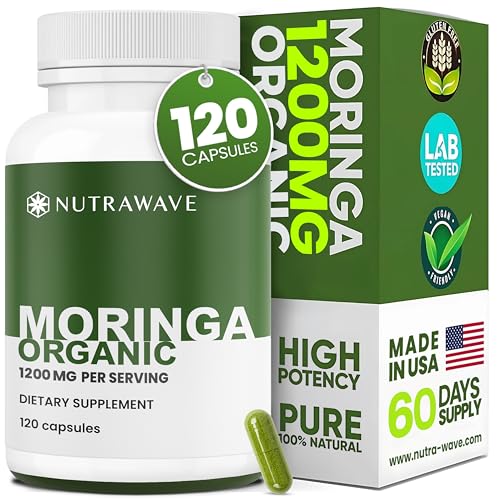
🛒 Where to Buy Moringa (Moringa oleifera)

- CleanseParasites Intra-Cellular Superfood Editor’s Pick
Contains moringa leaf alongside sea moss, bladderwrack, black cumin seed, and other superfood ingredients. - Kuli Kuli Organic Moringa Powder
powder, 1 tsp (3g) — USDA organic, direct-sourced from smallholder farmers across Africa and India - Nature’s Way Moringa Leaf Capsules
capsules, 2 capsules (960mg) — Widely available mainstream supplement brand, whole-leaf capsules - Micro Ingredients Organic Moringa Leaf Powder
powder, 1 tsp (5g) — Budget-friendly bulk organic powder, third-party tested - Zint Moringa Leaf Powder
powder, 1 tbsp (7g) — Sourced from India, popular smoothie-add powder
As an Amazon Associate we earn from qualifying purchases. Quality varies widely — always choose a product with a published third-party test (COA) before buying.
A Note on the Evidence
Much of the immune-related evidence on moringa comes from animal, aquaculture, and laboratory studies rather than human clinical trials, so claims of direct human immune benefit remain unproven. Moringa leaf powder is not evaluated by the FDA for safety or efficacy, root and bark preparations carry a distinct and higher risk profile and should be avoided especially during pregnancy, and anyone with a health condition, on medication, or considering moringa alongside cancer treatment should talk to a doctor first. This article is informational, not medical advice.
Frequently Asked Questions
Does moringa boost the immune system in humans?
There isn’t strong human clinical trial evidence for this. Most immunomodulatory findings come from animal studies (poultry, fish, sheep, rabbits) and laboratory work on isolated moringa compounds, which show biological activity but don’t confirm a specific immune benefit from taking moringa supplements as a person [2][6].
What in moringa is thought to affect the immune system?
Vitamins A and C, minerals, and polyphenols like quercetin and chlorogenic acid are the main compounds discussed, alongside more specific isolated substances like a seed lectin and plant microRNAs studied in lab settings [1][2][3].
Has moringa been studied for fighting infections?
Yes, in animal models. Studies have looked at moringa in the context of parasitic infections in sheep, rabbits, and mice, generally reporting effects on immune markers and, in some cases, parasite burden [10][11][12]. These are animal infection models, not human infection trials.
Is moringa being studied for cancer-related immune effects?
Yes, this is an active and fairly recent research area. Reviews from 2025 discuss proposed immunomodulatory and anticancer mechanisms, but this remains early-stage and preclinical, not an established human cancer treatment [4][5].

Is moringa safe to take for immune support?
Food-grade leaf preparations are generally considered well-tolerated based on available safety reviews, but moringa root and bark extracts carry a distinct, higher risk profile and should be avoided, particularly during pregnancy [1]. The FDA has not evaluated moringa leaf powder for safety or efficacy as a supplement.
Should I take moringa instead of getting a flu shot or other vaccine?
No. There is no clinical evidence that moringa is an effective substitute for vaccination or established preventive care. Any immune-related supplement use should be discussed with a doctor, especially alongside other health conditions or treatments.
References
- Stohs SJ et al. Review of the Safety and Efficacy of Moringa oleifera. Phytotherapy research : PTR (2015). PMID 25808883
- Coriolano MC et al. Immunomodulatory Effects of the Water-soluble Lectin from Moringa oleifera Seeds (WSMoL) on Human Peripheral Blood Mononuclear Cells (PBMC). Protein and peptide letters (2018). PMID 29384049
- Minutolo A et al. Plant microRNAs from Moringa oleifera Regulate Immune Response and HIV Infection. Frontiers in pharmacology (2020). PMID 33643043
- Talib WH et al. Immunomodulatory and anticancer effects of moringa polyherbal infusions: potentials for preventive and therapeutic use. Frontiers in immunology (2025). PMID 40612957
- Tilaoui M et al. Harnessing Moringa oleifera for Immune Modulation in Cancer: Molecular Mechanisms and Therapeutic Potential. International journal of molecular sciences (2025). PMID 41516140
- Mahfuz S et al. Application of Moringa (Moringa oleifera) as Natural Feed Supplement in Poultry Diets. Animals : an open access journal from MDPI (2019). PMID 31323953
- Mohai Ud Din R et al. Moringa oleifera as a multifunctional feed additive: synergistic nutritional and immunomodulatory mechanisms in livestock production. Frontiers in nutrition (2025). PMID 40621420
- Abidin Z et al. Effect of dietary supplementation with Moringa oleifera leaf extract and Lactobacillus acidophilus on growth performance, intestinal microbiota, immune response, and disease resistance in whiteleg shrimp (Penaeus vannamei). Fish & shellfish immunology (2022). PMID 35810967
- Reda RM et al. The potential effect of Moringa oleifera ethanolic leaf extract against oxidative stress, immune response disruption induced by abamectin exposure in Oreochromis niloticus. Environmental science and pollution research international (2023). PMID 36988803
- El Shanawany EE et al. Immunomodulatory effects of Moringa oleifera leaves aqueous extract in sheep naturally co-infected with Fasciola gigantica and Clostridium novyi. Journal of parasitic diseases : official organ of the Indian Society for Parasitology (2019). PMID 31749528
- Konmy B et al. In vivo anticoccidial activity and immune response of Moringa oleifera and Vernonia amygdalina leaves against Eimeria magna and Eimeria media in rabbits. Frontiers in cellular and infection microbiology (2023). PMID 37274317
- Elmalawany AM et al. Schistosomicidal Effects of Moringa oleifera Seed Oil Extract on Schistosoma mansoni-Infected Mice. Parasite immunology (2024). PMID 39494757
These statements have not been evaluated by the Food and Drug Administration. This information is not intended to diagnose, treat, cure, or prevent any disease. Content is for informational purposes only and is not medical advice; consult a qualified healthcare provider before starting any supplement. As an Amazon Associate we earn from qualifying purchases.
