Moringa oleifera, the dried and powdered leaf of a fast-growing tropical tree, is often marketed as a general-purpose “superfood” and sometimes specifically as something that supports liver health. That claim has some real research behind it, but almost all of it comes from animal models and isolated liver cells (HepG2), not human trials. Understanding what these studies actually tested, and what they didn’t, matters before drawing conclusions about a supplement you’d take.
This article reviews the hepatoprotective (liver-protective) research on moringa leaf and seed preparations, explains the proposed antioxidant mechanism behind the findings, and is honest about where the evidence stops. None of this is medical advice, and the FDA has not evaluated moringa leaf powder for safety or efficacy as a supplement.
Key Takeaways
- Hepatoprotective research on moringa leaf mostly comes from rodent toxin-challenge studies and HepG2 liver cell experiments, not human clinical trials.
- The proposed mechanism is broad antioxidant and mild anti-inflammatory activity from compounds like quercetin and chlorogenic acid, not a single targeted active ingredient.
- Moringa has shown protective effects against liver damage from pesticides, heavy metals, and antiretroviral drug toxicity in these preclinical models [1][2][3].
- Moringa can also alter drug metabolism via liver enzyme pathways, shown with the antibiotic rifampicin, which is a real interaction concern for anyone on prescription medication [4].
- Leaf preparations are generally well tolerated, but root and bark extracts carry a distinct, higher risk profile and should be avoided during pregnancy.
What "Hepatoprotective" Means in These Studies
In the moringa research literature, “hepatoprotective” almost always refers to a specific experimental design: researchers expose an animal or a liver cell line to a known toxic agent (a drug, a heavy metal, a pesticide, or an antiretroviral compound), then compare liver damage markers in groups that did or did not also receive moringa extract. This tells you whether moringa blunted damage from a specific insult in that model, it does not tell you whether moringa improves liver health in a person with no toxic exposure, or treats an existing liver disease like fatty liver or hepatitis.
A 2023 comprehensive review of moringa’s pharmacological activities catalogs this hepatoprotective research alongside its other proposed effects, and underscores that toxicological and safety data are still an active area of study rather than settled science [5].

The Proposed Mechanism: Antioxidant Support, Not a Single Active Drug
Moringa leaves are rich in vitamins A and C, calcium, potassium, and polyphenolic plant compounds including quercetin and chlorogenic acid. Unlike a pharmaceutical with one target receptor, moringa’s proposed liver-protective effect is generally attributed to the combined antioxidant and mild anti-inflammatory activity of these compounds, thought to help neutralize reactive oxygen species and reduce oxidative stress that would otherwise damage liver cell membranes and mitochondria.
This antioxidant framing shows up consistently across the toxin-challenge studies: moringa is not modeled as neutralizing the toxin directly, but as reducing the downstream oxidative damage the toxin causes in liver tissue [5].
Animal Studies: Moringa Against Specific Toxic Exposures
Several rodent studies have tested moringa preparations against a specific chemical challenge to the liver. In male Wistar rats exposed to the pesticide dichlorvos, moringa seed oil showed both hepatoprotective and renoprotective (kidney-protective) effects, reducing markers of organ damage compared to dichlorvos exposure alone [1].
In another Wistar rat model, an aqueous extract of moringa leaves reduced liver injury caused by lead acetate exposure, consistent with the antioxidant mechanism described above [2]. A separate study looked at oxidative damage in muscle tissue (not liver specifically) caused by the anti-seizure drug valproate, and found moringa leaf extract reduced oxidative markers there as well, suggesting the antioxidant effect isn’t liver-exclusive [6].

These are toxin-challenge models in rodents. They demonstrate a protective effect against a specific, deliberately administered insult, they do not demonstrate that moringa treats or reverses existing liver disease in humans.
Cell Culture Evidence: HepG2 Liver Cells
Some of the more mechanistic work has been done in HepG2 cells, a human liver cancer cell line commonly used as a laboratory stand-in for liver tissue. A 2023 review examined moringa’s hepatoprotective effects against antiretroviral-drug-induced cytotoxicity in HepG2 cells, relevant because some HIV medications carry a known risk of liver toxicity, and found supportive evidence for a protective effect in this cell model [3].
Separately, a study looking directly at moringa crude extract’s effect on the HepG2 liver cell line found effects worth noting for both potential protective activity and the importance of dose, since plant extracts can show different effects at different concentrations in cell culture [7]. Cell culture findings are useful for generating hypotheses about mechanism, but a dish of liver cells does not have blood flow, a functioning immune system, or the metabolic complexity of a whole liver, so these results are several steps removed from confirming a benefit in people.
An Important Caution: Moringa Can Also Affect Drug Metabolism
One line of research complicates the simple “moringa protects the liver” narrative: moringa can alter how the liver metabolizes other drugs. A pre-clinical study examined moringa oleifera’s influence on the pharmacokinetics of rifampicin, a tuberculosis antibiotic, and found that moringa affected how the drug was processed and disposed of in the body [4].

This matters because the liver’s cytochrome P450 enzyme system, which processes rifampicin, also processes many other prescription medications. A supplement that changes those enzyme pathways could in principle raise or lower blood levels of unrelated drugs someone is taking. This is a reason for caution and physician consultation for anyone on prescription medications metabolized by the liver, not a reason to assume moringa is generally unsafe.
Leaf Versus Root and Bark: A Distinct Risk Profile
All the hepatoprotective research cited here involves moringa leaf (or leaf extract) and, in one case, seed oil. Food-grade leaf preparations are generally well tolerated in the doses studied. Root and bark preparations are a different matter: they contain additional compounds, including vermifuge alkaloids, with a distinct and higher risk profile, and have documented traditional use as uterine stimulants. Pregnant individuals in particular should avoid concentrated extracts and root or bark preparations [5].
🛒 Where to Buy Moringa (Moringa oleifera)
- CleanseParasites Intra-Cellular Superfood Editor’s Pick
Contains moringa leaf alongside sea moss, bladderwrack, black cumin seed, and other superfood ingredients. - Kuli Kuli Organic Moringa Powder
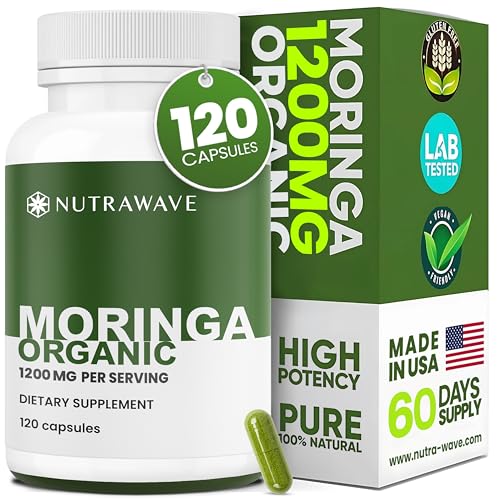
powder, 1 tsp (3g) — USDA organic, direct-sourced from smallholder farmers across Africa and India - Nature’s Way Moringa Leaf Capsules
capsules, 2 capsules (960mg) — Widely available mainstream supplement brand, whole-leaf capsules - Micro Ingredients Organic Moringa Leaf Powder
powder, 1 tsp (5g) — Budget-friendly bulk organic powder, third-party tested - Zint Moringa Leaf Powder
powder, 1 tbsp (7g) — Sourced from India, popular smoothie-add powder
As an Amazon Associate we earn from qualifying purchases. Quality varies widely — always choose a product with a published third-party test (COA) before buying.

A Note on the Evidence
This review covers animal and cell-culture research, not human clinical trials, so it cannot establish that moringa improves liver health in people. Anyone with existing liver disease, anyone on prescription medication, and anyone who is pregnant should consult a physician before using moringa supplements; this article is informational, not medical advice.
Frequently Asked Questions
Does moringa cure or reverse liver disease?
No. The available evidence shows moringa reduced liver damage markers in animal models exposed to specific toxins and in HepG2 liver cell experiments, not that it treats existing liver disease in humans [5].
Is the liver research done in humans?
No, the hepatoprotective studies reviewed here were conducted in Wistar rats and human-derived HepG2 liver cell cultures, not in human clinical trials [1][7].
Can moringa interact with my medications?
Possibly. A pre-clinical study found moringa altered the pharmacokinetics of the antibiotic rifampicin, indicating it can affect liver enzyme pathways that process other drugs [4]. Anyone on prescription medication should talk to a doctor before adding moringa.
What part of the moringa plant do these liver studies use?
The hepatoprotective studies cited here use moringa leaf extract or seed oil. Root and bark preparations are chemically distinct and carry a different, higher risk profile [5].
Is moringa safe during pregnancy?
Concentrated extracts and root or bark preparations should be avoided during pregnancy due to documented traditional use as uterine stimulants; this is a caution that applies regardless of the liver research [5].
Has the FDA approved moringa for liver health?
No. The FDA has not evaluated moringa leaf powder for safety or efficacy as a dietary supplement, for liver health or any other use.
References
- Adeoye SWA et al. Hepatoprotective and Renoprotective effect of Moringa oleifera Seed Oil on Dichlorvos-induced Toxicity in Male Wistar rats. Nigerian journal of physiological sciences : official publication of the Physiological Society of Nigeria (2022). PMID 35947842
- Abdel Fattah ME et al. Hepatoprotective effect of Moringa oleifera leaves aquatic extract against lead acetate-induced liver injury in male Wistar rats. Environmental science and pollution research international (2020). PMID 32725563
- Saki M et al. The Hepatoprotective Effects of Moringa oleifera against Antiretroviral-Induced Cytotoxicity in HepG(2) Cells: A Review. Plants (Basel, Switzerland) (2023). PMID 37765399
- Pal A et al. Influence of Moringa oleifera on pharmacokinetic disposition of rifampicin using HPLC-PDA method: a pre-clinical study. Biomedical chromatography : BMC (2011). PMID 20845375
- Pareek A et al. Moringa oleifera: An Updated Comprehensive Review of Its Pharmacological Activities, Ethnomedicinal, Phytopharmaceutical Formulation, Clinical, Phytochemical, and Toxicological Aspects. International journal of molecular sciences (2023). PMID 36768420
- Ertik O et al. Effect of Moringa oleifera leaf extract on valproate-induced oxidative damage in muscle. Drug and chemical toxicology (2023). PMID 36373188
- Sowunmi BO et al. The effect of Moringa oleifera crude extract on liver cell line, HepG2. BMC complementary medicine and therapies (2023). PMID 37884920
These statements have not been evaluated by the Food and Drug Administration. This information is not intended to diagnose, treat, cure, or prevent any disease. Content is for informational purposes only and is not medical advice; consult a qualified healthcare provider before starting any supplement. As an Amazon Associate we earn from qualifying purchases.
