Moringa oleifera, the “drumstick tree” native to South Asia, has long been used in traditional medicine, and its dried leaf powder has become a popular food supplement marketed for everything from blood sugar support to “brain health.” A growing body of preclinical research has started to look specifically at whether moringa leaf compounds can protect brain cells from oxidative stress and inflammation, two processes tied to age-related cognitive decline.
This article summarizes what that research actually shows so far. Almost all of it comes from animal and cell-culture studies, not human clinical trials, so the honest takeaway is “promising early signal, not proof of a cognitive benefit in people.” We’ll walk through the proposed mechanisms, the specific findings, and where the evidence gaps are.
Key Takeaways
- Moringa’s proposed neuroprotective effects come mainly from polyphenols (quercetin, chlorogenic acid) acting through antioxidant/anti-inflammatory pathways like Nrf2/HO-1, not a single drug-like active compound [1].
- Animal studies show moringa extracts reduced memory impairment in scopolamine-induced, diet-induced, diabetic, and age-related dementia models [2][3][4].
- Moringa seed extract also showed protective effects in an ischemic stroke animal model, suggesting activity across different types of brain injury, not just gradual decline [5].
- The moringa-specific mechanistic evidence is preclinical (animal/cell-based). The only randomized human data touching moringa and cognition sits inside a 2025 network meta-analysis of stroke patients, where moringa seed extract was one of nine plant extracts assessed and was not among those that significantly improved cognitive scores [6].
- The FDA has not evaluated moringa leaf powder for safety or efficacy as a supplement.
The Proposed Mechanism: Antioxidant and Anti-Inflammatory Pathways
Moringa leaves are rich in polyphenols like quercetin and chlorogenic acid, along with vitamins A and C, calcium, and potassium. Researchers propose that these compounds work less like a single targeted drug and more like a broad antioxidant and anti-inflammatory support system for brain tissue. A 2022 review described moringa’s neuroprotective and anti-neuroinflammatory effects and outlined several possible mechanisms by which its constituents may reduce oxidative damage and inflammatory signaling in neural cells [7].
One specific pathway that keeps coming up in the literature is NF-κB/Nrf2/HO-1 signaling, a cellular stress-response system where Nrf2 activation tends to switch on protective antioxidant genes while NF-κB activation tends to drive inflammation. A 2022 review in the Journal of Food Biochemistry proposed that moringa compounds may help tip this balance toward the protective Nrf2/HO-1 side, which is one plausible route to reduced neuroinflammation [1]. It’s worth being clear that this is a proposed mechanism based on lab and animal data, not a confirmed effect in the human brain.

Animal Studies on Memory and Learning
Several animal studies have tested moringa leaf extract directly against memory impairment models. In one study, researchers used scopolamine, a drug that blocks acetylcholine signaling and reliably impairs memory in mice, to model memory loss, then tested two different moringa formulations against it. The seed oil formulation protected against the scopolamine-induced memory impairment and was found preferable to the leaf extract [2]. Because acetylcholine is central to how the hippocampus encodes memories, this kind of scopolamine model is a standard first screen for potential cognitive-support compounds.
A separate line of research looked at diet-induced cognitive decline rather than a drug challenge. Mice fed a high-fat, high-fructose diet, a model meant to mimic the metabolic stress of a typical Western diet, were given either moringa seed oil or an aqueous leaf extract, and researchers compared their effects on cognitive function and markers of cellular senescence (aging) in the brain [8]. Older research using an animal model of age-related dementia similarly found that moringa oleifera mitigated memory impairment and markers of neurodegeneration [3].

A more recent 2026 study combined fermented moringa leaves with Ganoderma lucidum (reishi mushroom) and tested the mixture in scopolamine-induced dementia rats, reporting improvements in cognitive deficits alongside enhanced brain antioxidant and cholinergic function [9]. This is a combination product, so it doesn’t isolate moringa’s individual contribution, but it fits the same general pattern seen across the other memory studies.
Moringa in Disease-Related Cognitive Models
Cognitive decline doesn’t happen in isolation, it’s often linked to metabolic disease, and several studies have specifically tested moringa in diabetic animal models. One study examined the effects of moringa (referred to in the source as “spicy leaves”) on cognitive function and hippocampal neuron apoptosis (programmed cell death) in diabetic rats [4]. A more recent 2025 study looked at anti-amnesic and analgesic effects of moringa in diabetic rats, proposing that hypoglycemic (blood-sugar-lowering) and antioxidant mechanisms might explain both the memory and pain-related findings [10].

Moringa oleifera seed extract has also been studied in the context of stroke. One study found that the extract protected against brain damage in both the acute and delayed stages of ischemic stroke in an animal model [5]. This is a distinct research question from everyday “brain health” framing, ischemic stroke involves a sudden loss of blood flow and a very different injury cascade than gradual age-related decline, but it adds to the broader picture that moringa compounds may have some protective activity across multiple types of brain insult in animal models.
What the Review Literature Concludes
Beyond individual studies, several review papers have tried to synthesize this body of animal and cell-based work. A 2017 review in the Nigerian Journal of Physiological Sciences examined the possible neuroprotective effects of moringa oleifera leaf extract across the available literature at the time [11]. A more recent 2024 review in Oxidative Medicine and Cellular Longevity revisited the neuroprotective effect of moringa oleifera with a broader and more current set of studies [12].
The consistent thread across these reviews is that moringa’s neuroprotective potential is attributed to its antioxidant and anti-inflammatory polyphenol content, acting through pathways like Nrf2/HO-1 and reduction of oxidative stress markers, rather than to a single well-characterized active ingredient. None of these reviews claim moringa is a proven treatment for any cognitive condition in humans; they consistently frame it as an area needing more rigorous, especially human, research.
The Gap Between Animal Data and Human Relevance
It’s worth naming the gap directly: every study cited above is an animal or cell-culture study. Rodent models of memory impairment (scopolamine challenge, diet-induced decline, diabetic models, stroke models) are useful for generating mechanistic hypotheses and are a standard early step in supplement and drug research, but they don’t reliably predict effect sizes, dosing, or even whether an effect will occur at all in humans. Absorption, metabolism, and blood-brain barrier penetration of moringa’s polyphenols in people have not been established by the evidence reviewed here.

No published clinical trial has tested moringa leaf powder for memory, attention, or dementia risk. The closest human evidence is indirect and not encouraging: a 2025 systematic review and network meta-analysis of 48 randomized controlled trials in 6,599 stroke patients included moringa seed extract among nine plant extracts, and the extracts that significantly improved cognitive and daily-living scores were St John’s wort, berberine and ginsenosides, not moringa [6]. Anyone using moringa with a specific cognitive goal in mind should treat the animal data as a reason for scientific interest, not as a basis for expecting a noticeable personal effect.
🛒 Where to Buy Moringa (Moringa oleifera)
- CleanseParasites Intra-Cellular Superfood Editor’s Pick
Contains moringa leaf alongside sea moss, bladderwrack, black cumin seed, and other superfood ingredients. - Kuli Kuli Organic Moringa Powder
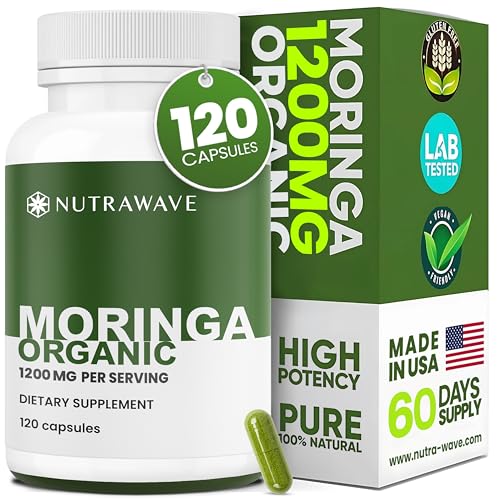
powder, 1 tsp (3g) — USDA organic, direct-sourced from smallholder farmers across Africa and India - Nature’s Way Moringa Leaf Capsules
capsules, 2 capsules (960mg) — Widely available mainstream supplement brand, whole-leaf capsules - Micro Ingredients Organic Moringa Leaf Powder
powder, 1 tsp (5g) — Budget-friendly bulk organic powder, third-party tested - Zint Moringa Leaf Powder
powder, 1 tbsp (7g) — Sourced from India, popular smoothie-add powder
As an Amazon Associate we earn from qualifying purchases. Quality varies widely — always choose a product with a published third-party test (COA) before buying.

A Note on the Evidence
This research is entirely preclinical (animal and cell-based) and has not been confirmed in human clinical trials, so no conclusions about cognitive benefits in people can be drawn yet. Moringa root and bark preparations carry a distinct, higher risk profile than leaf powder and should be avoided, particularly during pregnancy; talk to a doctor before starting any supplement, especially if pregnant, nursing, or managing a medical condition. This article is informational, not medical advice.
Frequently Asked Questions
Does moringa improve memory in humans?
Not proven. The research on moringa and memory (scopolamine models, diet-induced decline, diabetic models) was conducted in animals, not people [2][3]. No published trial has tested moringa for memory or cognitive outcomes in healthy adults, and the one place moringa appears in randomized human cognitive data, a 2025 network meta-analysis of stroke-recovery trials, it was not among the extracts showing a significant benefit [6].
What part of moringa is being studied for brain health?
The research summarized here focuses on leaf extract, leaf powder, and in some cases seed oil or seed extract, which contain polyphenols like quercetin and chlorogenic acid thought to drive antioxidant activity [7][8][5].
How might moringa protect brain cells, mechanistically?
Proposed mechanisms center on reducing oxidative stress and inflammation, including activation of the Nrf2/HO-1 antioxidant pathway and dampening of NF-κB-driven inflammatory signaling [1].
Has moringa been studied for stroke specifically?
Yes, one animal study found moringa seed extract reduced brain damage in both the acute and delayed stages of ischemic stroke [5]. This is a different research context than everyday cognitive support and hasn’t been tested in human stroke patients.
Is moringa being studied for diabetes-related cognitive decline?
Yes. A few studies specifically used diabetic animal models to test moringa’s effect on cognition, proposing that blood-sugar-lowering and antioxidant effects may explain improvements seen in memory and related measures [4][10].
Should I take moringa supplements for cognitive health?
That’s a personal and medical decision to make with a doctor, especially since human efficacy data doesn’t yet exist for this use. Food-grade leaf powder is generally considered well-tolerated, but this isn’t medical advice.
References
- Mundkar M et al. Neuroprotective potential of Moringa oleifera mediated by NF-kB/Nrf2/HO-1 signaling pathway: A review. Journal of food biochemistry (2022). PMID 36206551
- Arozal W et al. Effects of Moringa oleifera in Two Independents Formulation and as Neuroprotective Agent Against Scopolamine-Induced Memory Impairment in Mice. Frontiers in nutrition (2022). PMID 35299766
- Sutalangka C et al. Moringa oleifera mitigates memory impairment and neurodegeneration in animal model of age-related dementia. Oxidative medicine and cellular longevity (2013). PMID 24454988
- Sun Y et al. [Effects of spicy leaves on cognitive function and apoptosis of hippocampal neurons in diabetic rats]. Zhongguo ying yong sheng li xue za zhi = Zhongguo yingyong shenglixue zazhi = Chinese journal of applied physiology (2021). PMID 34821098
- Zeng K et al. Moringa oleifera seed extract protects against brain damage in both the acute and delayed stages of ischemic stroke. Experimental gerontology (2019). PMID 31039389
- Li J et al. Systematic Review and Network Meta-Analysis of the Effects of Plant Extracts on Cognitive Function and Quality of Life in Stroke Patients. Phytotherapy research : PTR (2025). PMID 40083108
- Azlan UK et al. An insight into the neuroprotective and anti-neuroinflammatory effects and mechanisms of Moringa oleifera. Frontiers in pharmacology (2022). PMID 36686668
- Arozal W et al. Comparative Neuroprotective Effects of Moringa oleifera Seed Oil and Aqueous Extract on Cognitive Functions on a High-Fat, High-Fructose Diet Mice: Focus on Senescence Markers. TheScientificWorldJournal (2024). PMID 38633104
- Aprizal YM et al. Fermented Moringa oleifera leaves and Ganoderma lucidum mixtures ameliorate cognitive deficits in scopolamine-induced dementia rats by enhancing brain antioxidant and cholinergic functions. Pharmaceutical biology (2026). PMID 41566790
- Hasanein P et al. Anti-amnesic and analgesic effects of Moringa oleifera in diabetic rats: possible hypoglycemic and antioxidant mechanisms. Cellular and molecular biology (Noisy-le-Grand, France) (2025). PMID 41236304
- Igado OO et al. A Review on the Possible Neuroprotective Effects of Moringa Oleifera Leaf Extract. Nigerian journal of physiological sciences : official publication of the Physiological Society of Nigeria (2017). PMID 28262857
- Worku B et al. A Review on the Neuroprotective Effect of Moringa oleifera. Oxidative medicine and cellular longevity (2024). PMID 39483849
These statements have not been evaluated by the Food and Drug Administration. This information is not intended to diagnose, treat, cure, or prevent any disease. Content is for informational purposes only and is not medical advice; consult a qualified healthcare provider before starting any supplement. As an Amazon Associate we earn from qualifying purchases.
